Synopsys QuantumATK

Atomistic Simulation for Materials Discovery, Device Physics, and Advanced R&D

Move from material assumptions to atomistic insight. Synopsys QuantumATK helps engineering and research teams model electronic structure, transport behavior, interfaces, and materials properties before fabrication, so they can screen candidates faster, understand mechanisms more clearly, and make better downstream design decisions.

Your trustedSynopsyspartner for materials and device innovation.

What is QuantumATK?

Synopsys QuantumATK is an atomistic simulation platform for predicting how materials and nanoscale devices behave at the electronic level. It combines first-principles methods, molecular dynamics, and high-throughput automation in one environment, helping teams evaluate materials, interfaces, and device concepts before costly experimental work begins.

For organizations investing in materials intelligence, simulation-led R&D, or next-generation product development, QuantumATK adds deeper atomic-scale insight into conductivity, thermal transport, diffusion, defects, surface reactions, and nanoscale device behavior. With NanoLab for guided setup and visualization, plus Python for automation and scale, it supports repeatable workflows across CPU and GPU infrastructure.

Why Teams Choose QuantumATK

  • Accelerate materials screening at scale with automated studies across CPU and GPU infrastructure.
  • Reduce experimental guesswork by predicting materials and transport behavior before fabrication or lab validation.
  • Reveal mechanisms that are hard to observe physically, including interfacial effects, defects, tunneling, and atomic-scale transport.
  • Connect materials research to device and product decisions with workflows that support both discovery and engineering application.
  • Standardize and reproduce studies more easily through NanoLab-guided setup and Python-driven automation.

Key Benefits

  • qatk1

    Screen more candidates in less time
    Evaluate large design spaces efficiently using high-throughput workflows, helping teams narrow material and device options before physical testing begins.

  • qatk2

    Make better decisions with physics-based insight
    Understand why a material or interface behaves the way it does—not just whether it passes or fails—so optimization efforts become more targeted and effective.

  • qatk3

    Bridge research and engineering
    Use atomistic results to support broader development efforts in semiconductors, batteries, coatings, photonics, and advanced materials programs.

  • qatk4

    Improve confidence earlier in development
    Identify promising directions, eliminate weak candidates, and validate hypotheses sooner, reducing late-stage surprises and wasted lab cycles.

  • qatk5

    Build scalable, repeatable workflows
    Combine NanoLab usability with Python automation to make advanced simulation more accessible, more consistent, and easier to deploy across teams.

Core Capabilities of QuantumATK

Model materials from first principles using DFT, semi-empirical methods, machine-learned potentials, and classical molecular dynamics. QuantumATK enables teams to study electronic, structural, thermal, magnetic, optical, and mechanical behavior at true atomic resolution.

This makes it well suited for evaluating band structures, defects, interfaces, heterostructures, diffusion behavior, and other mechanisms that shape real-world material performance.

Simulate quantum transport and device behavior using NEGF-based workflows to study current-voltage response, tunneling, contact resistance, electrostatics, and other critical nanoscale effects.

For semiconductor and nanoelectronics teams, this helps connect material selection and interface design to actual device-level behavior.

Screen cathode, anode, electrolyte, and interfacial materials to assess ion mobility, diffusion barriers, voltage behavior, stability, and defect sensitivity before lab work scales up.

These workflows support faster exploration of large compositional spaces and can help focus experimental resources on the most promising candidates.

Investigate adsorption, reaction pathways, activation barriers, surface reconstructions, dopants, and thin-film behavior using atomistic simulation methods suited to chemistry at surfaces and interfaces.

This enables teams to improve catalytic activity, corrosion resistance, adhesion, selectivity, and other performance drivers rooted in surface-level phenomena.

Use Python scripting and workflow automation to run repeatable screening campaigns, standardize study setup, and scale across available compute resources.

For organizations managing complex R&D pipelines, this supports more consistent decision-making and better traceability across studies.

Build, configure, visualize, and analyze atomistic models in a guided graphical environment that reduces setup friction and helps teams move faster from idea to insight.

NanoLab also makes advanced atomistic simulation more approachable for engineering groups that want strong usability alongside technical depth.

Industries & Applications

QuantumATK supports innovation across a wide range of materials-driven industries, including:

  • Semiconductors and nanoelectronics: Analyze transport, interfaces, and device behavior for transistors, interconnects, and emerging architectures.
  • Battery and energy storage: Evaluate electrode, electrolyte, and interfacial materials for next-generation performance, stability, and manufacturability.
  • Materials science and industrial R&D: Screen candidate materials, investigate defects and mechanisms, and accelerate early-stage discovery programs.
  • Photonics and optoelectronics: Study material behavior relevant to optical, electronic, and nanoscale device performance.
  • Advanced manufacturing, coatings, and chemicals: Explore surface chemistry, thin films, catalysts, and protective materials for improved product performance and durability.
  • Academic, government, and industrial research labs: Support high-fidelity atomistic studies with scalable workflows suited to both exploratory and applied research.
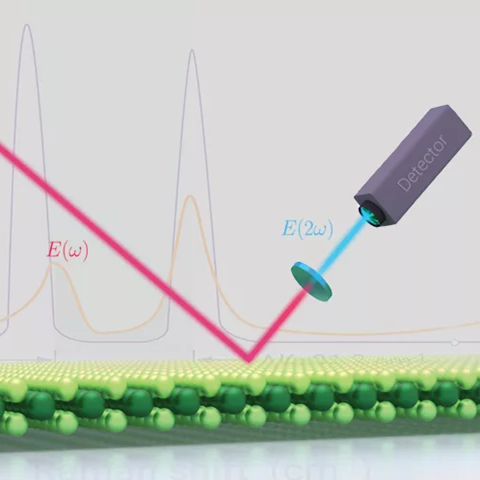
synopsys-quantumatk-optical-analysis-tools-feature-list
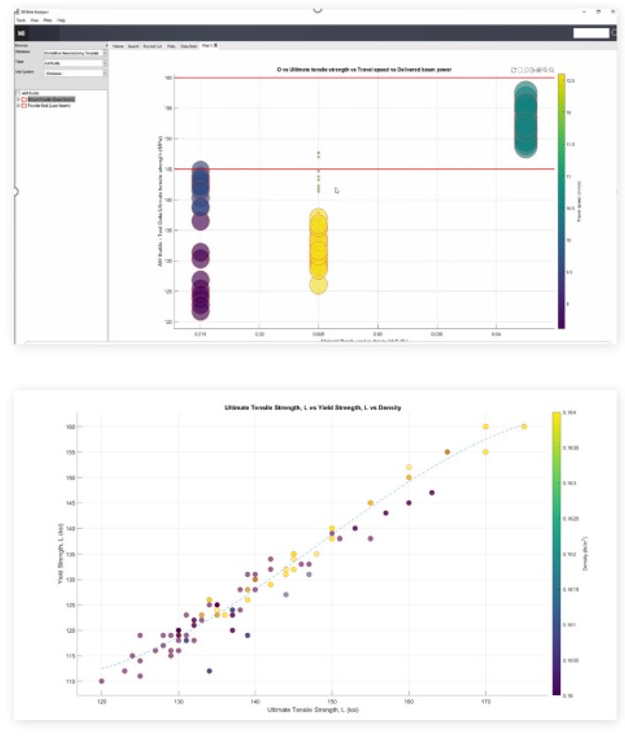
qatkchecker

Typical Engineering Workflows

From electronic structure to system-level behavior, these workflows reflect how engineers analyze, validate, and optimize performance at the atomic scale:

  • High-throughput materials screening and candidate downselection
  • Electronic structure and bandgap analysis
  • Defect, interface, and heterostructure investigation
  • Nanoscale transport and device performance simulation
  • Battery materials and ion diffusion studies
  • Catalyst, coating, and surface reaction modeling
  • Python-based automation for repeatable R&D workflows
  • Materials-to-device studies supporting broader design and technology decisions

QuantumATK + Ansys Simulation

QuantumATK can play a valuable role alongside Ansys in organizations that already invest in materials data, multiphysics simulation, or product development workflows. While Ansys tools help engineers evaluate system- and component-level performance, QuantumATK adds atomic-scale understanding that can strengthen material selection, explain observed behavior, and improve confidence in early-stage R&D decisions.

For teams using Ansys Granta, the connection is especially compelling. Granta helps organizations manage materials intelligence, reference data, and selection workflows, while QuantumATK adds predictive atomistic modeling for situations where measured data is incomplete, emerging materials are under evaluation, or deeper mechanism-level understanding is required.

This combination can help organizations:

  • enrich materials strategies with simulation-based insight,
  • investigate candidate materials before they are fully characterized experimentally,
  • support semiconductor, electronics, battery, and advanced materials programs with deeper physics,
  • and create a stronger bridge between research, materials decisions, and downstream engineering simulation.

For select workflows, QuantumATK can also complement broader simulation environments by supplying physics-based insight into material behavior, transport effects, and interface performance that informs later design and validation activity.


Why Work with SimuTech Group?

QuantumATK is powerful on its own. The real advantage comes from applying it in the right places, for the right reasons, with the right strategy behind it.

Identify high-value atomistic simulation use cases Bridge materials intelligence and engineering simulation
Strengthen Granta-based workflows with deeper insight Align software investments with development goals
Turn software capability into practical value

See Where QuantumATK Fits in Your Materials Strategy

Whether your team is already using Granta, managing advanced materials programs, or exploring how atomistic simulation could strengthen R&D, we can help you assess the opportunity and map the right next step.