

Biomedical Engineering Consulting for EM Simulation

Biomedical devices are increasingly connected, miniaturized, and multiphysics-driven, making design validation more complex and costly. SimuTech Group helps engineering teams use electromagnetic simulation to evaluate medical device performance, human-body interaction, wireless power transfer, SAR, tissue heating, sensing, optics, and other biomedical applications earlier in development.
Why Use Simulation for Biomedical Applications?

Advancements in biomedical technologies have made the design and development of new medical devices more challenging and costly. Human testing, or in vivo testing, can be difficult to perform due to ethical, regulatory, practical, and financial considerations.

Computer simulation, or in silico analysis, is increasingly used in the biomedical field to support the development of innovative applications, multiphysics products, and medical devices. Simulation can help reduce development time and cost while providing insight into device performance and biological interaction that may not be attainable through physical testing alone.

Contact for Biomedical Consulting Services

What Types of Biomedical Simulations Can Be Performed?

Biomedical simulation can help engineering teams evaluate both device performance and human response before physical testing. For electromagnetic applications, this can include how a device generates, receives, or transmits energy, as well as how electromagnetic fields interact with tissue, implants, sensors, or other biomedical systems.

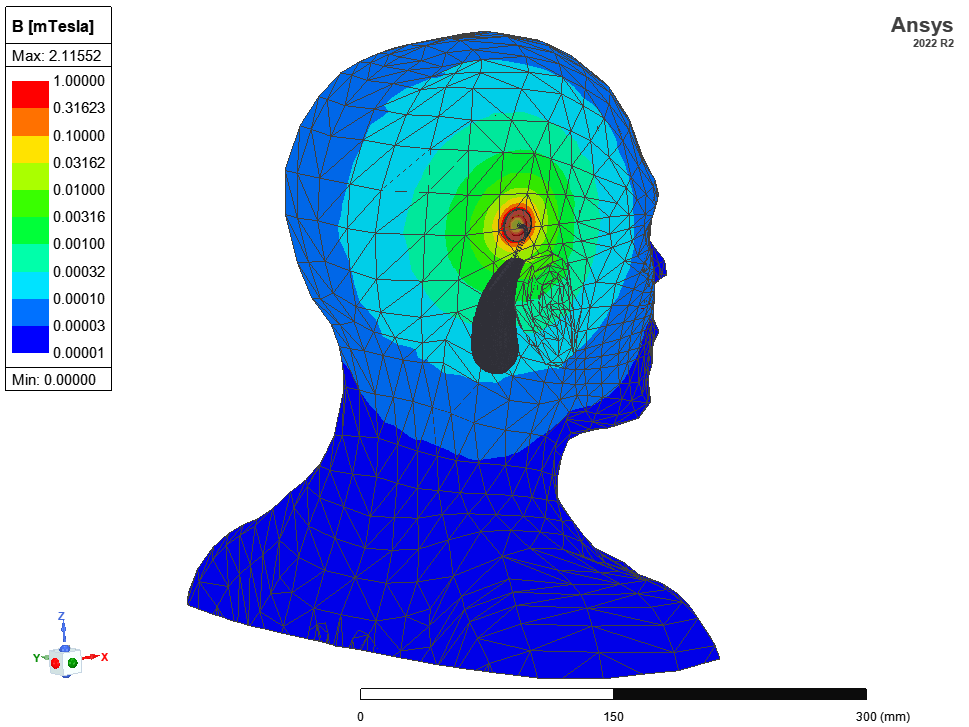
magnetic flux density in the body

Device and Technology Performance:

  • Implant wireless charging efficiency
  • Sensor behavior and signal response
  • Antenna performance near or within the body
  • Electromagnetic coupling between devices and tissue
  • Field distribution, shielding, or power-transfer behavior

Human Response:

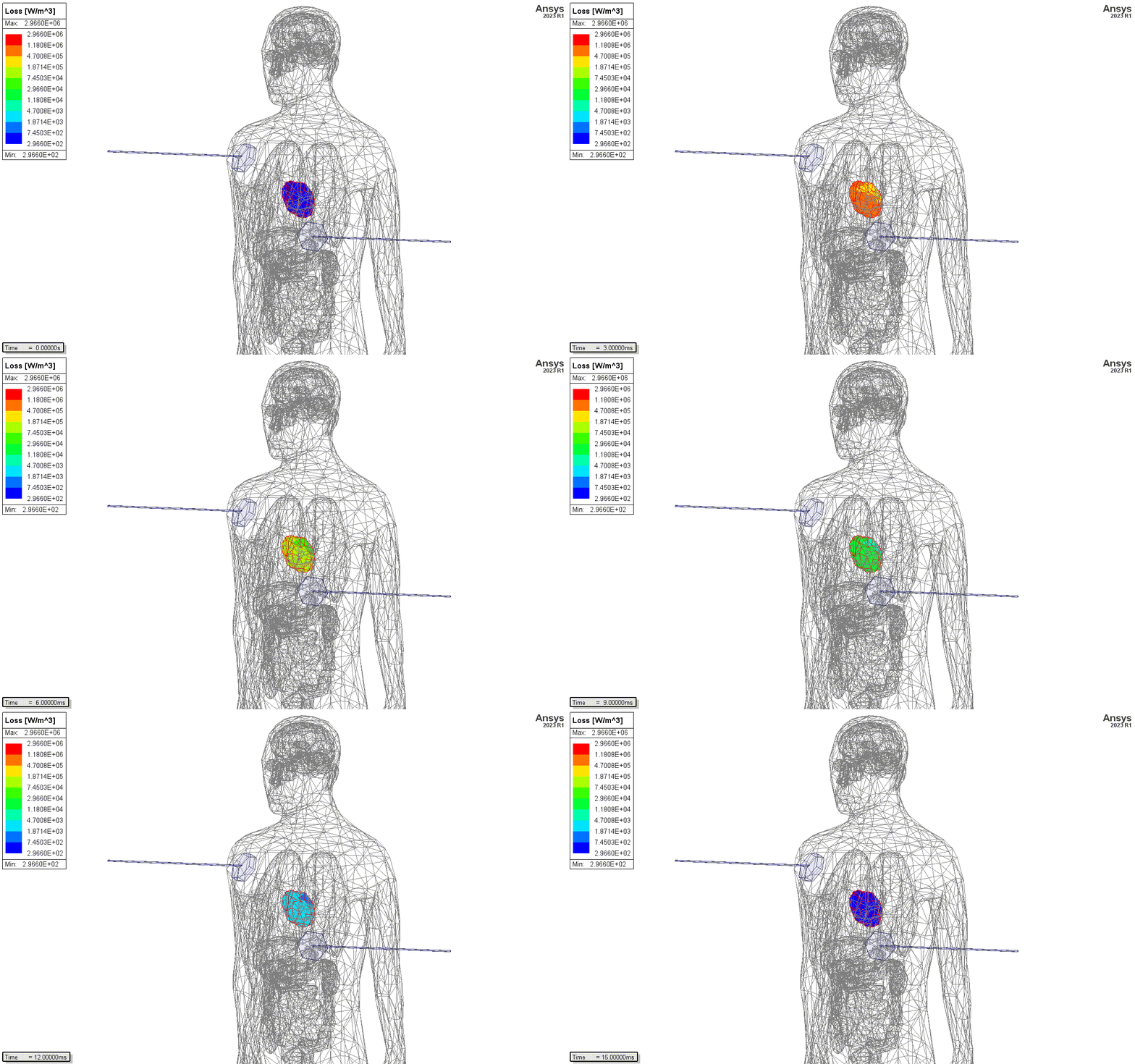
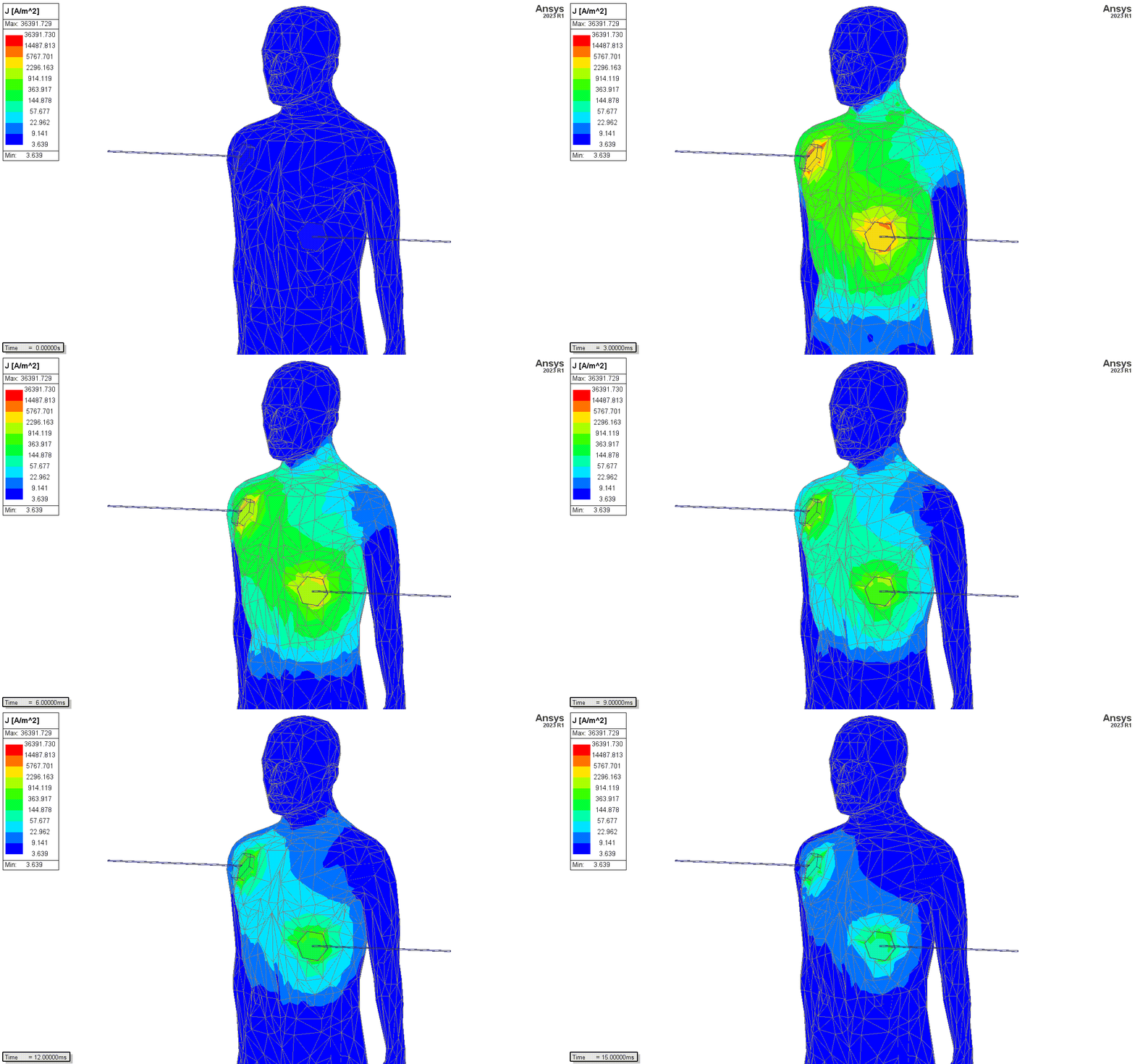
  • Current flow through the body from a defibrillator
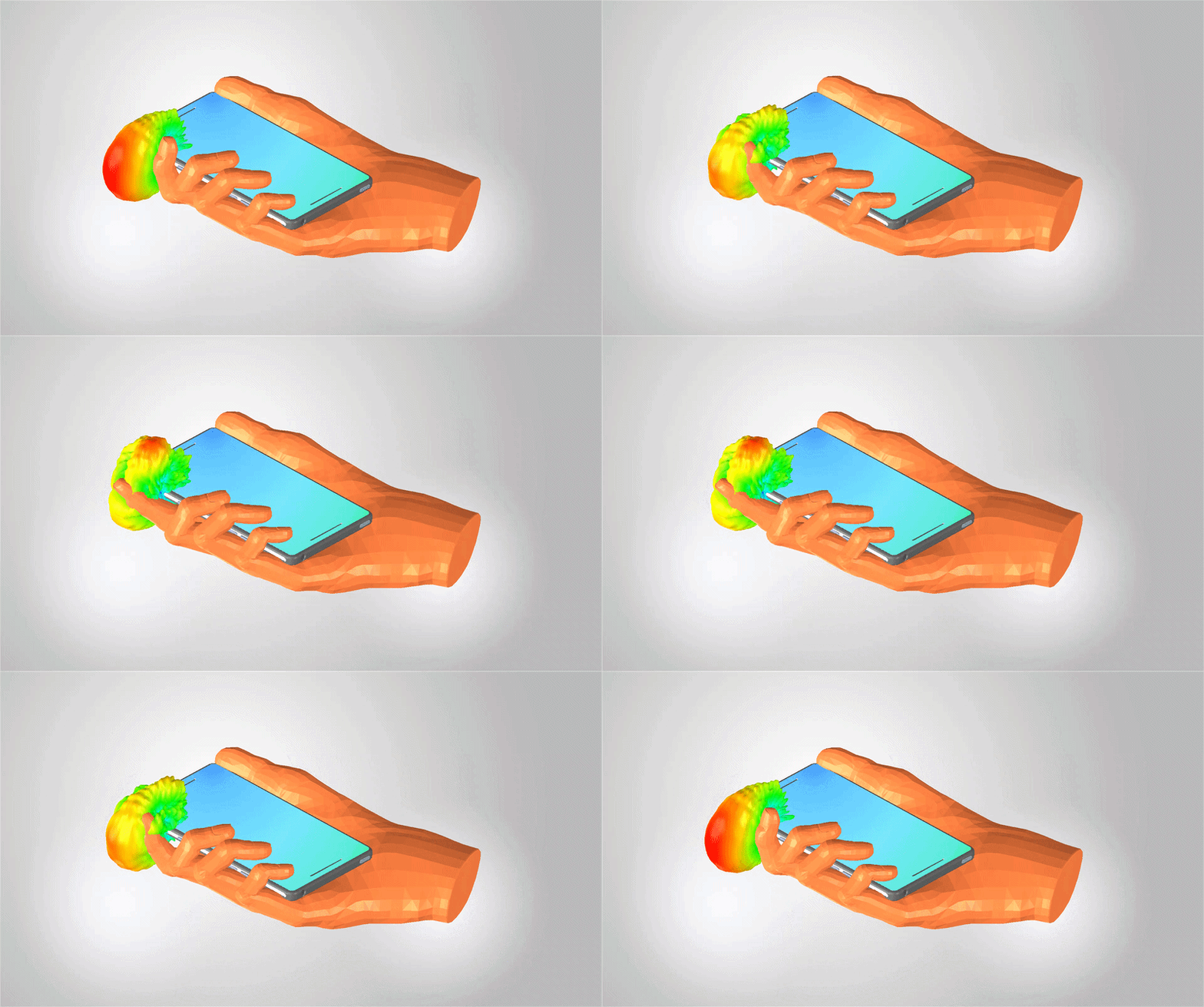
  • SAR exposure from wireless or RF-enabled devices
  • Localized tissue heating
  • Biological response to electromagnetic fields
  • Multiphysics interaction between EM, thermal, fluid, structural, or optical behavior
SAR behavior in the human hand

By modeling both the device and its surrounding biological environment, simulation can help teams better understand performance, safety-related behavior, and design tradeoffs earlier in development.

Biomedical EM Simulation Applications

Ansys Software for Biomedical Simulation

Various Ansys software tools can be used for biomedical simulations, depending on the physics involved. For electromagnetic and multiphysics biomedical applications, relevant tools may include Ansys Maxwell, Ansys HFSS, Ansys Mechanical, Ansys Fluent, Ansys Icepak, Ansys Lumerical, Ansys LS-DYNA, Ansys Zemax OpticStudio, and Ansys Workbench.

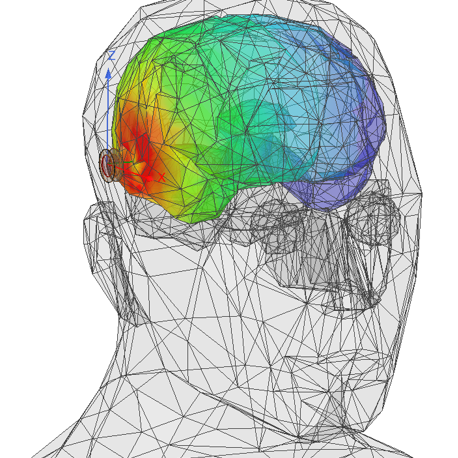
sar in the human brain

Additional Biomedical Simulation Resources

Explore additional examples of how simulation supports biomedical innovation, medical device development, and in silico testing.

Engineering Simulation in Healthcare | Confronting Coronary Artery Disease

In Silico Testing | The Power to Cure Diseases & Change the World

Frequently Asked Questions About Biomedical Engineering Consulting

A biomedical engineering consultant helps organizations apply engineering methods, technology, and analysis to healthcare, medical devices, and biomedical systems. This may include simulation, design support, technology evaluation, product development guidance, medical equipment analysis, or consulting related to healthcare technology performance and safety.

Simulation helps biomedical teams evaluate design behavior before or alongside physical testing. It can be used to study device performance, electromagnetic exposure, tissue interaction, heating, structural behavior, fluid flow, optics, and other physics that may affect the safety or effectiveness of a biomedical product.

SimuTech Group can support simulation and engineering analysis for medical devices, biomedical equipment, implantable or wearable technologies, diagnostic systems, telehealth-related devices, sensors, and other healthcare technologies where performance, safety, and design confidence are important.

Forensic biomedical engineering focuses on investigating the causes, conditions, and sequence of failures involving medical devices, biomedical systems, or healthcare technologies. This work may include engineering analysis, failure investigation, documentation review, and support for identifying mitigation strategies.

Yes. SimuTech Group can provide biomedical engineering consulting support related to medical device testing, technical analysis, documentation, IP reports, depositions, testimony, and engineering guidelines. This support may be relevant for claimants, defendants, insurers, manufacturers, and other parties involved with medical equipment or accessories.

Biomedical technology often requires support across many stages, including ideation, design, validation, testing, trials, regulatory preparation, market launch, installation, technical support, maintenance, product upgrades, post-market review, and eventual retirement or replacement. Simulation and engineering consulting can help teams make better technical decisions throughout that life cycle.

Picture3
Picture4

Advance Biomedical Device Design with Simulation

Biomedical technologies require careful evaluation. SimuTech Group’s simulation consultants can help your team apply Ansys tools to better understand complex biomedical applications, reduce risk, and make better design decisions.