 Contact Us
Why Accurate 3D Geometry Prediction Is Computationally Difficult
Despite the advancements in 3D modeling technologies, several challenges persist. One of the primary issues is the computational complexity involved in generating accurate geometric predictions. Traditional methods often require significant processing power and time, which can be a bottleneck in the design process.
Additionally, achieving a balance between accuracy and computational efficiency remains a critical challenge. Ensuring that predictions are not only precise but also generated within a reasonable timeframe is essential for practical applications in engineering and design.
How the Stochos App Addresses These Challenges
The implementation of optimization within the Stochos App addresses these challenges head-on. By utilizing probabilistic inference, the app can efficiently navigate the vast design space to identify optimal geometric configurations. This approach reduces the computational load while maintaining high accuracy levels.
From PI-BO Optimization to Geometry Prediction: A Step-by-Step Application
Previously, a 2D benchmark case of a simplified shower head (Figure 1) was used to demonstrate the application of Probabilistic Inference for Bayesian Optimization (PI-BO) in Ansys optiSLang.
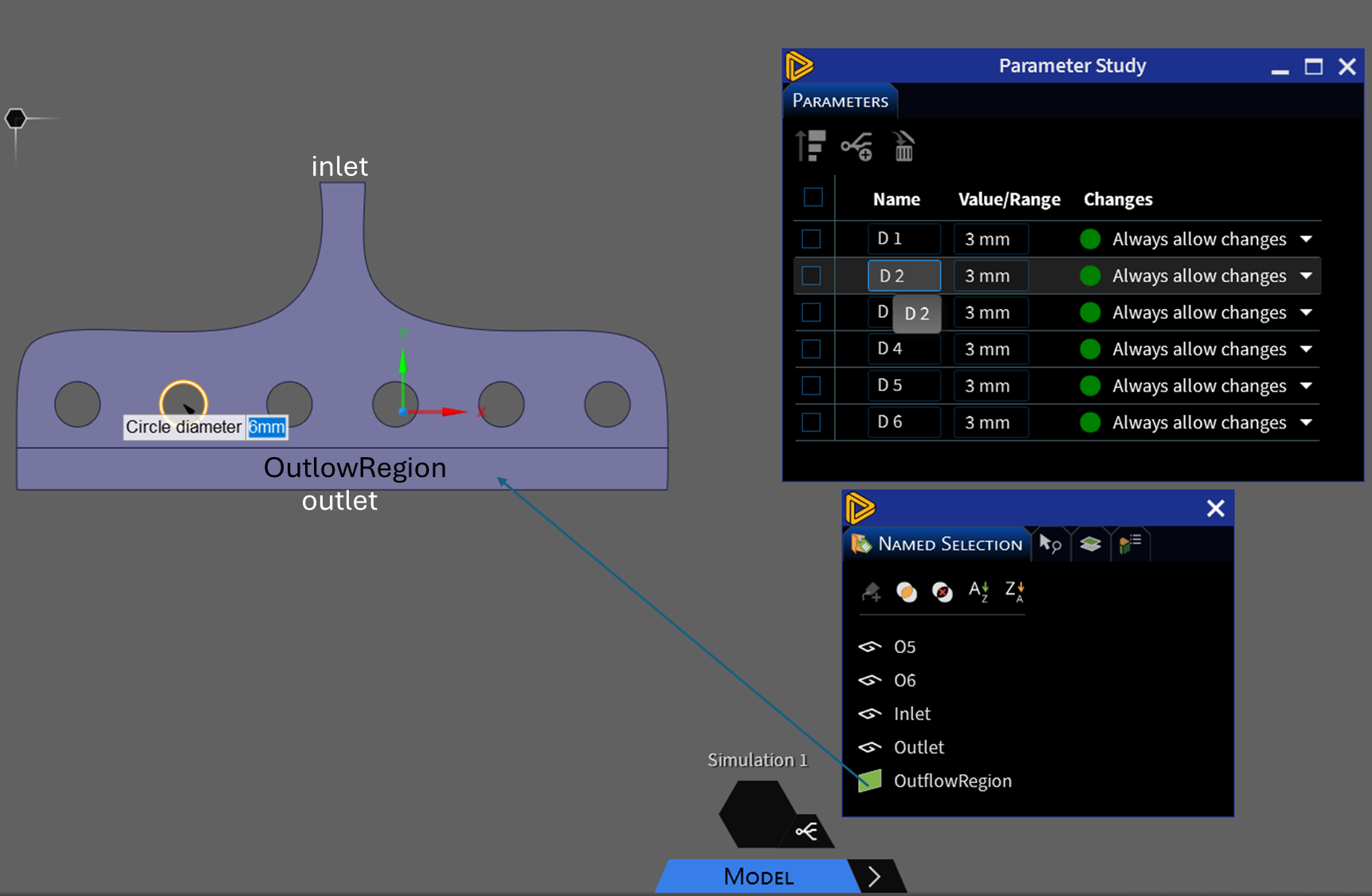
Figure 1. 2D Benchmark Case
The study explored the optimal design (i.e., the diameters of internal holes) to satisfy two output conditions of maximum pressure drop and minimum uniformity. Among 20 designs, a Pareto Front solution identified design 19 as the optimal one (Figure 2).
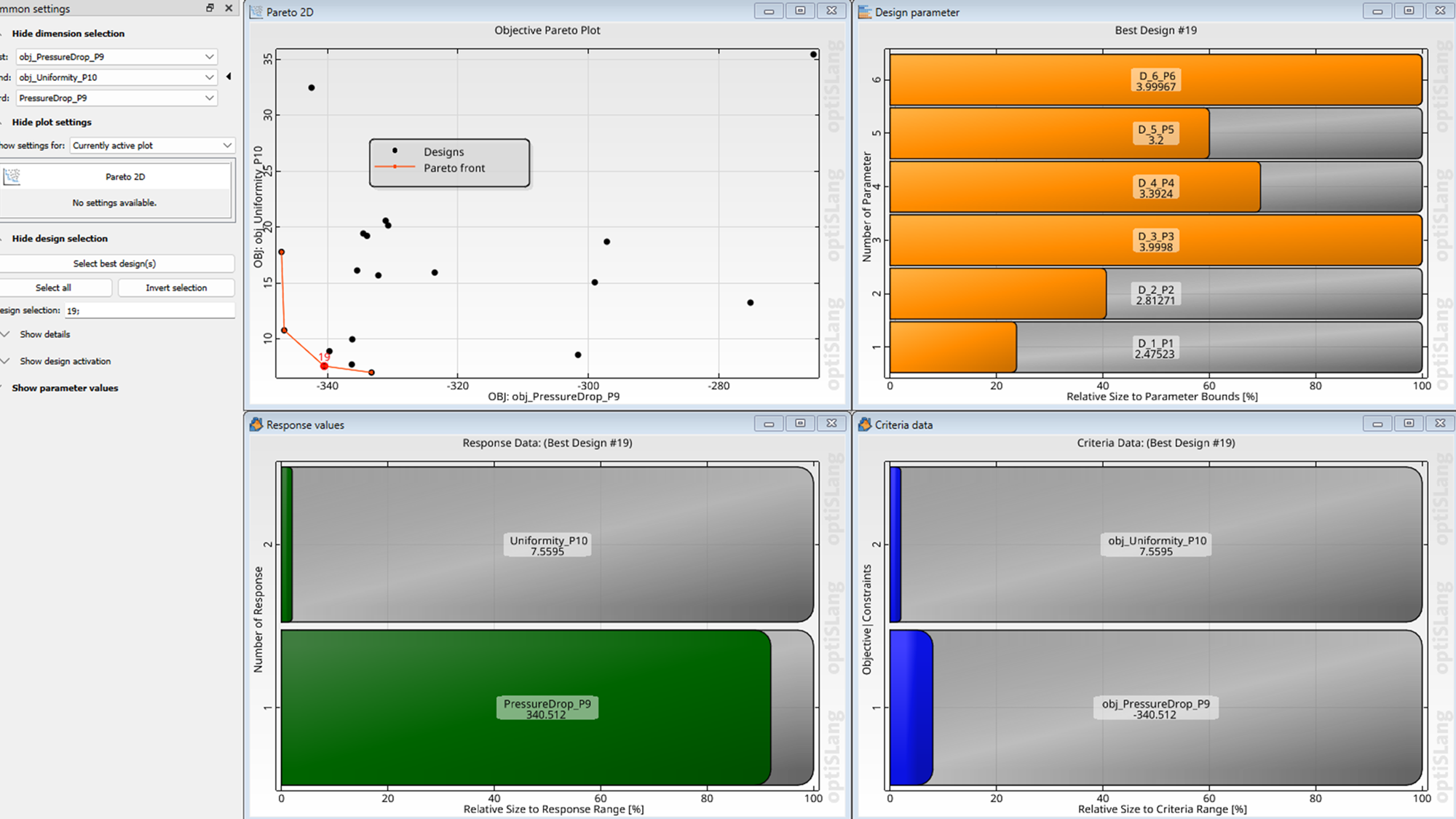
Figure 2. PI-BO Optimization Solution
Building the Stochos Visualization App
The current study utilizes the data from the optimization work to generate a geometry prediction app using stand-alone Stochos. For this purpose, the following data sources were combined:
- The optimization table from Ansys Workbench
- Exported data from Ansys CFD-Post with coordinates and field variables of pressure and velocity
- Geometry files exported from Ansys Discovery
These were used to create a visualization toolkit (VTK) file. That was done using Python code with the Stochos functions, including dimgp and Bayesian optimization. An additional Python code was utilized to generate the app (Figure 3).
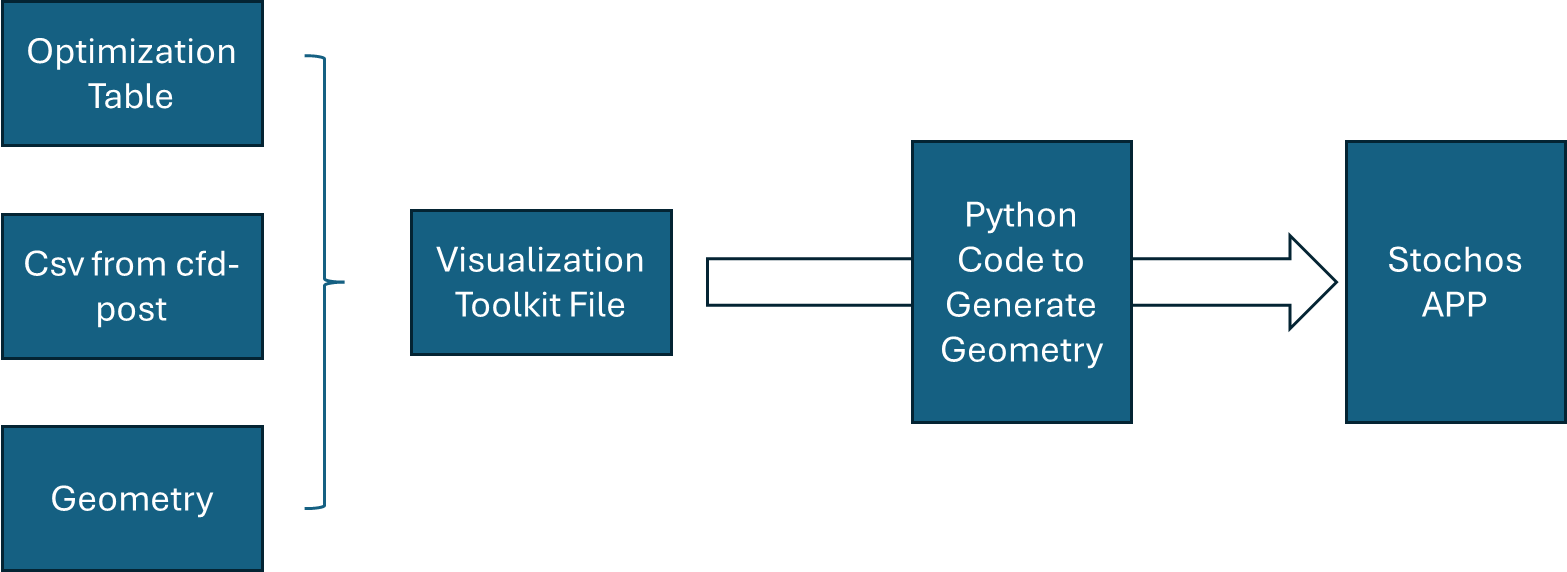
Figure 3. Schematic Representation of the App Generation
Loading Data and Predicting Geometry
Once the app is active, the first step is to enter the path to the data containing the corresponding VTK files for all 20 design points (Figure 4).
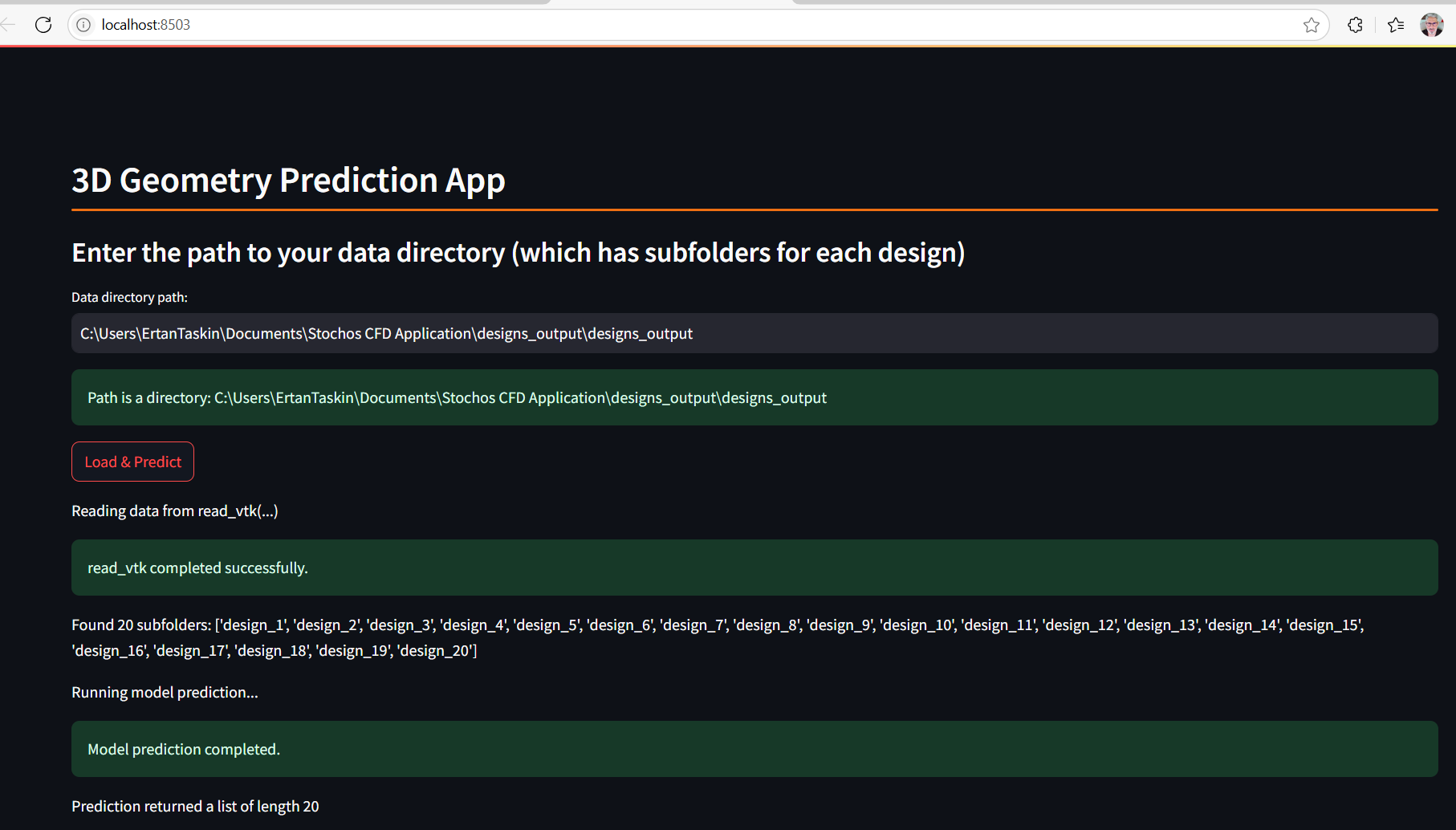
Figure 4. The GUI of the App to Enter the Path for the Data
Then, clicking the Load and predict button displays the predicted design points, with geometric features colored by a selected parameter, such as pressure (Figure 5). Note that we used a coarse mesh in this study, and therefore, the predicted geometry field is shown as scattered dots. A finer mesh would lead to a more regular contour plot. Also note that the Stochos code uses only a group of design points for training to predict the entire set.
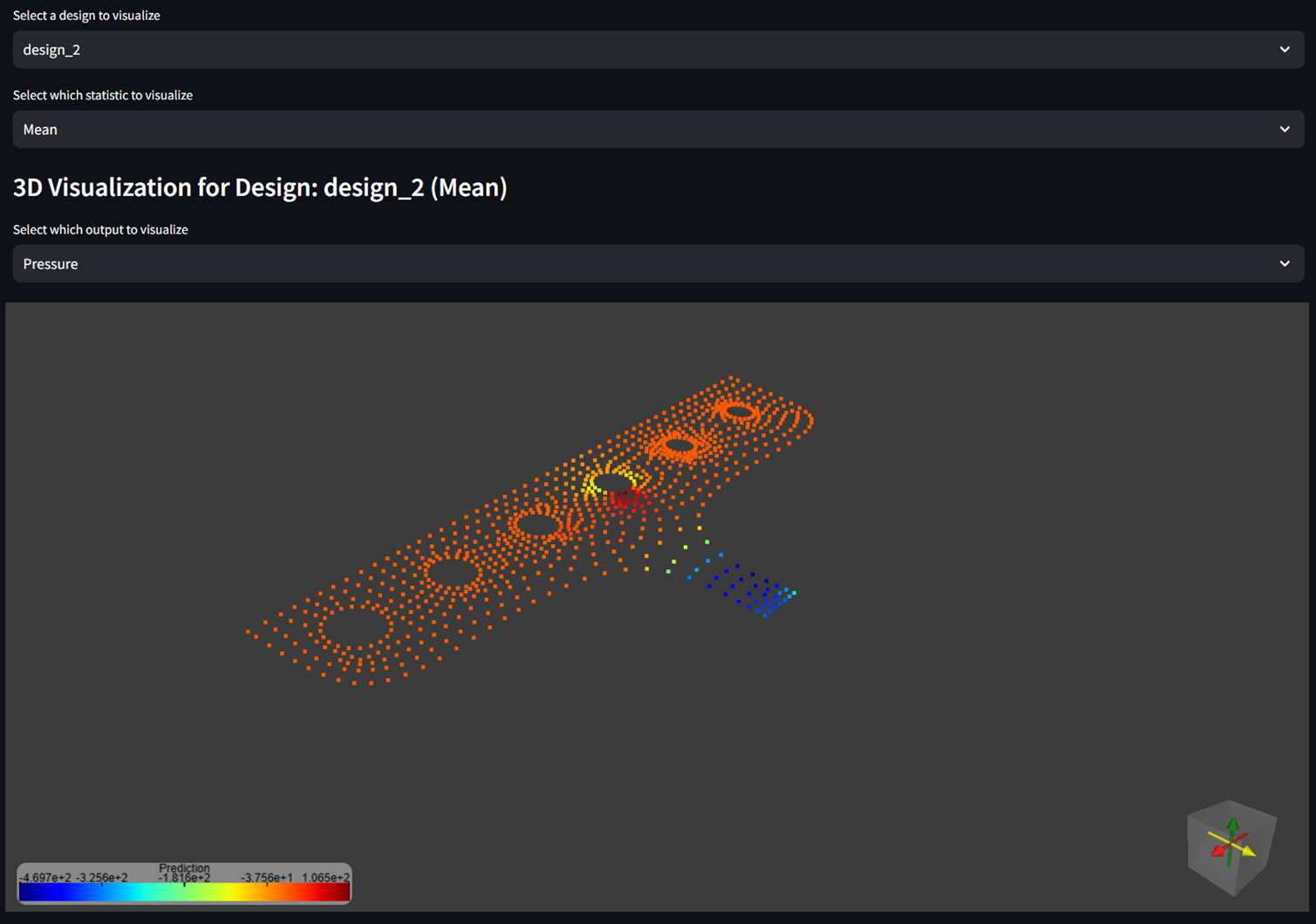
Figure 5. The Section of the design, and the Visualization of the Geometry and Pressure Distribution
Validating Predictions Against CFD Results
The stochos-predicted geometry and pressure field were found to be in fairly good agreement with the CFD-Post contour from the Fluent simulation for design 19 (Figure 6).
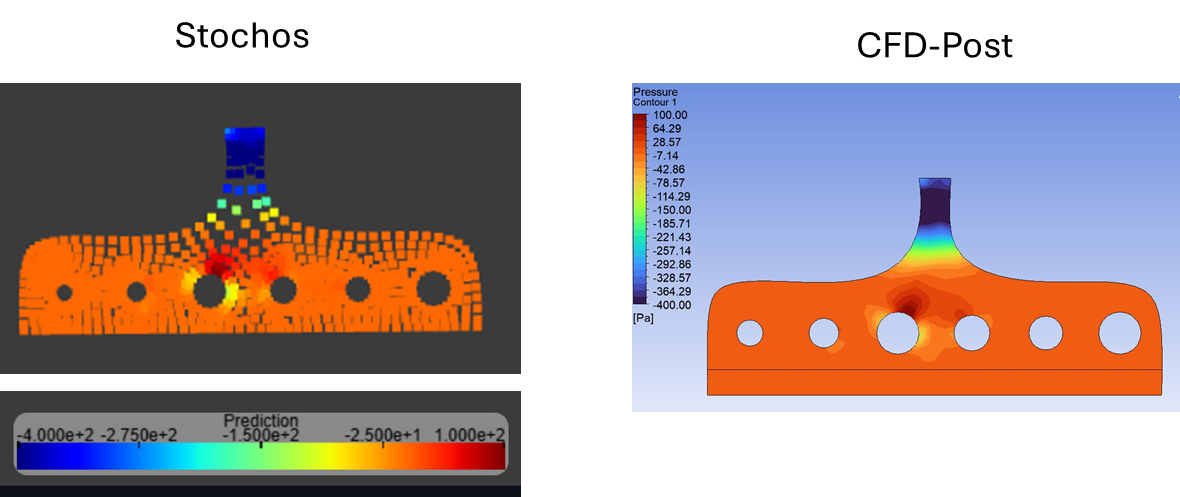
Figure 6. The Comparison of Stochos App Predicted Geometry and Pressure Field to the Fluent Simulation for Design 19
The next step will be to generate another Stochos App using the genAI application to predict the geometry and pressure field from any given pressure drop and uniformity parameters.
Key Advantages of Using Stochos for Geometry Prediction
The integration of PI-BO optimization technology in the Stochos App offers numerous benefits. First and foremost, it enhances the accuracy of 3D geometry predictions, providing users with reliable and precise models. This leads to better design outcomes and reduces the need for costly revisions.
Additionally, the app’s efficiency in processing complex calculations enables users to iterate quickly, accelerating the overall design cycle. This efficiency translates to cost savings and improved productivity for engineering teams. Furthermore, the user-friendly interface makes advanced optimization accessible to a broader audience, democratizing high-level computational tools.
The details of the application can be found in the video below:
Interested in probabilistic design exploration or Reduced Order Models? SimuTech Group’s consulting engineers use Ansys optiSLang, Fluent, and the full Ansys suite to help you build predictive workflows that reduce simulation time and improve design confidence. For a related example, see our post on creating a Reduced Order Model for vortex prediction in a stirred tank. Contact us to discuss your project.
Note
Special thanks to Dr. Kevin Cremanns from PI Probaligence GmbH