 Contact Us
Ansys Fluent and optiSLang for CVD Process Optimization
Chemical vapor deposition, or CVD, plays a critical role in semiconductor manufacturing and advanced coating applications, where deposition rate and uniformity must be carefully controlled. By coupling Ansys Fluent with optiSLang, engineering teams can simulate reacting flow, heat transfer, and CHEMKIN-based surface chemistry inside a rotating wafer reactor, then use automated sensitivity analysis and optimization to evaluate process variables more efficiently. This workflow provides a practical path for improving CVD performance while reducing reliance on trial-and-error testing.
Engineering Solution: Fluent + optiSLang Workflow
To address this challenge, an integrated Ansys Fluent–optiSLang workflow is used to simulate and optimize the CVD process.
- Fluent models the reacting flow using detailed CFD and CHEMKIN-based reaction kinetics.
- optiSLang enables automated sensitivity analysis and optimization through surrogate modeling and advanced algorithms.
Model Setup
- Rotating wafer (susceptor) inside a reactor chamber
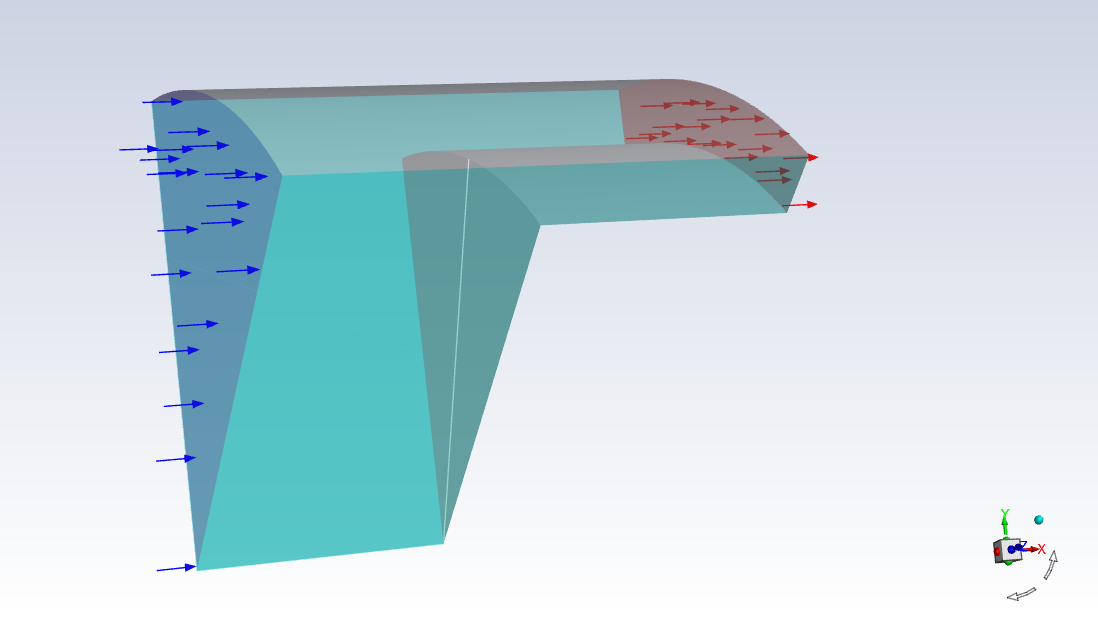
- SiH₄ introduced at a fixed mole fraction
- 45° sector modeled with periodic boundary conditions
- 39-reaction CHEMKIN mechanism implemented
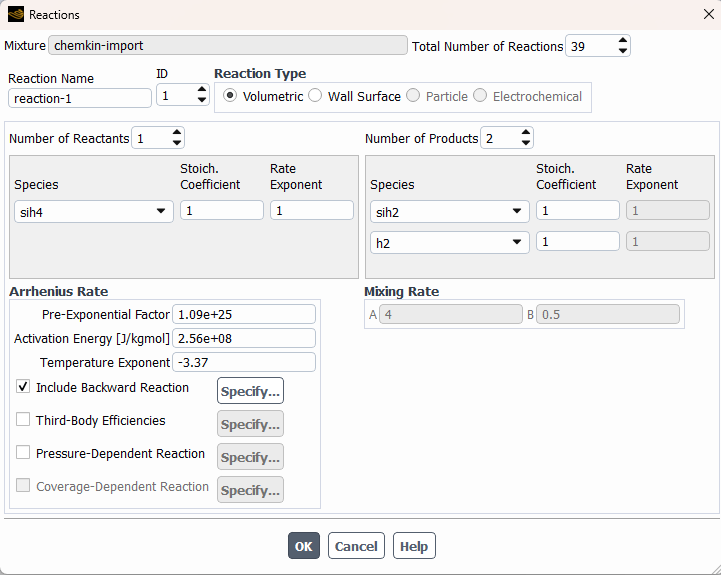
- Both gas-phase and surface reactions included
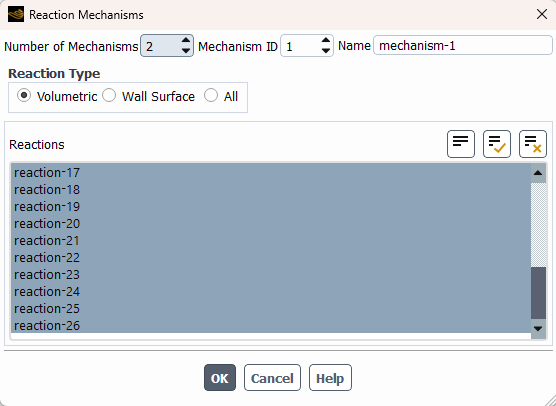
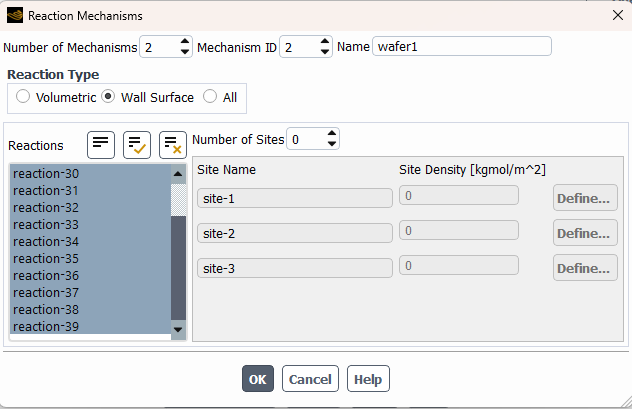
This setup captures the key physics governing deposition while keeping computational cost manageable.
One-Click Optimization (OCO) for Ansys Fluent and optiSLang CVD Optimization
OCO is a hybrid, automated optimization strategy that abstracts the complexity of algorithm selection from the user. It automatically chooses and switches between various optimization algorithms (such as NLPQL, EA, PSO, ARSM, etc.) based on the problem characteristics and performance during the optimization process.
- Surrogate-assisted optimization: OCO leverages surrogate models, specifically the Metamodel of Optimal Prognosis (MOP), to accelerate convergence and reduce the number of expensive design evaluations.
- Minimal user input: The main setting for OCO is the maximum number of design evaluations, making it suitable for users seeking a fast, reliable, and hands-off optimization workflow.
- Dynamic algorithm competition: OCO can run multiple algorithms in parallel and switch dynamically between them based on a success factor that considers improvement and feasibility.
- Limitation: OCO does not support boolean, string, or nominal discrete parameters.
In our Ansys Fluent/optiSLang CVD optimization routine, five key process parameters are defined as optimization inputs:
- Susceptor temperature
- SiH₄ inlet mass fraction
- Rotation speed
- Inlet velocity
- Inlet temperature
After running the optimization in Fluent, we can select Data Visualization under OptiSLang capabilities to visualize the results from all the data points.
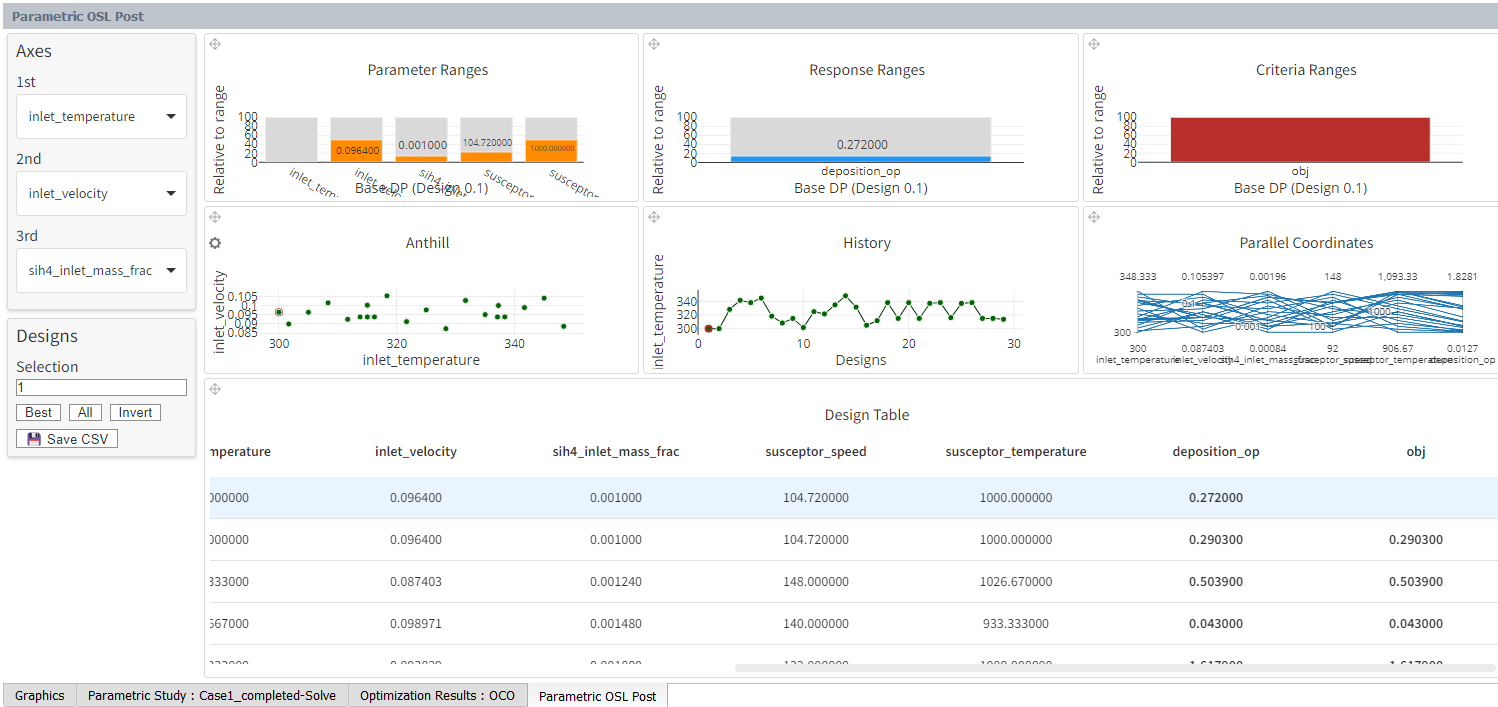
We can further export the results to optiSLang for additional postprocessing:
First, we can hook a postprocessing module to the existing OCO module, as shown below:
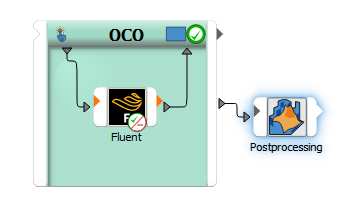
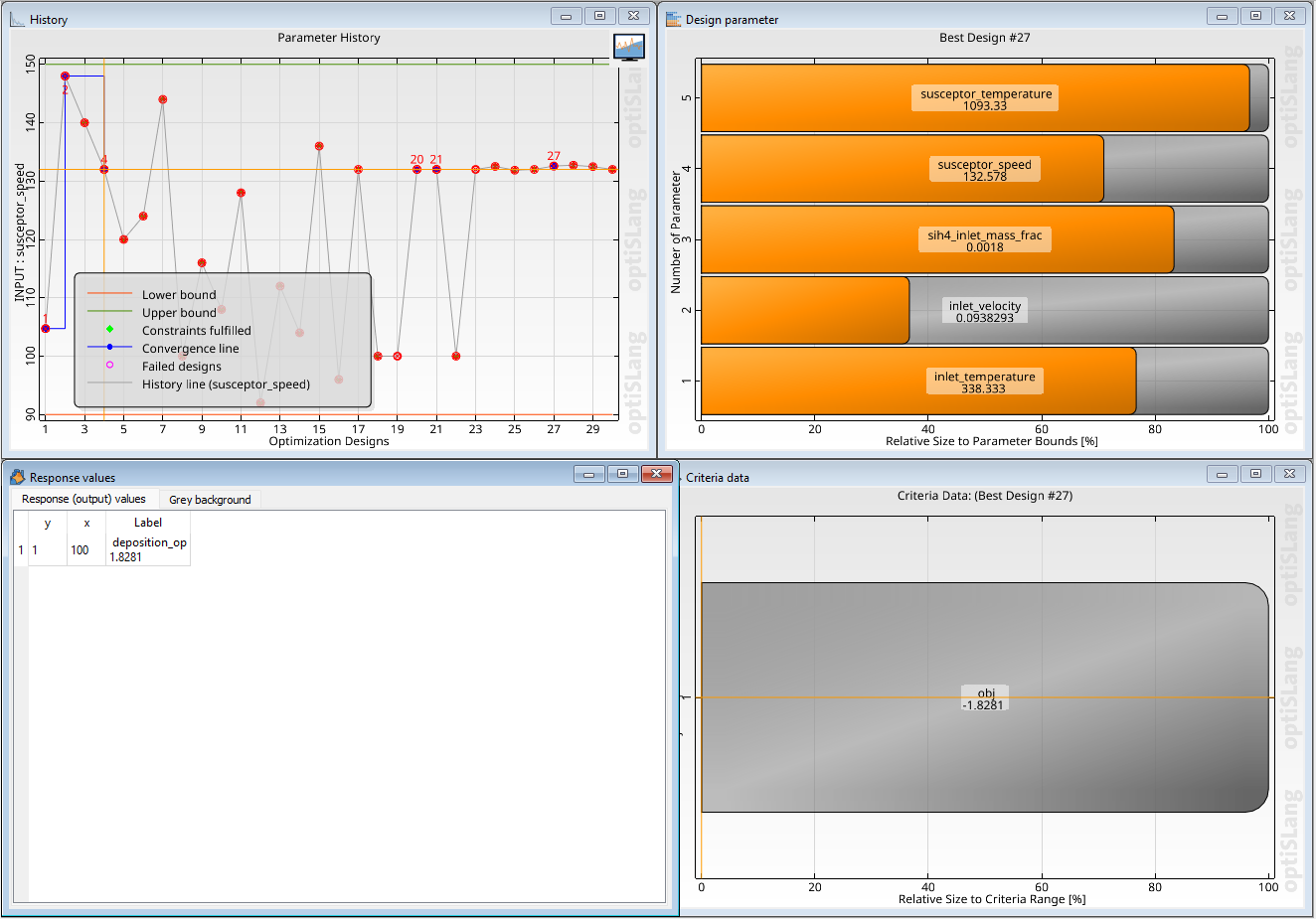
By double clicking on the Postprocessing module, we can visualize the results in more detail:
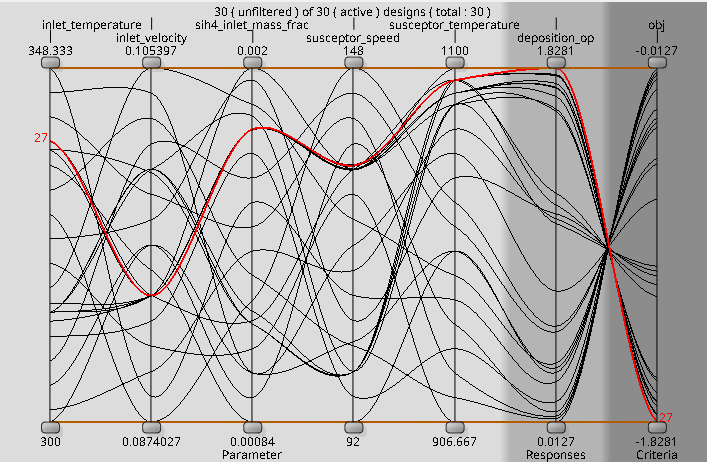
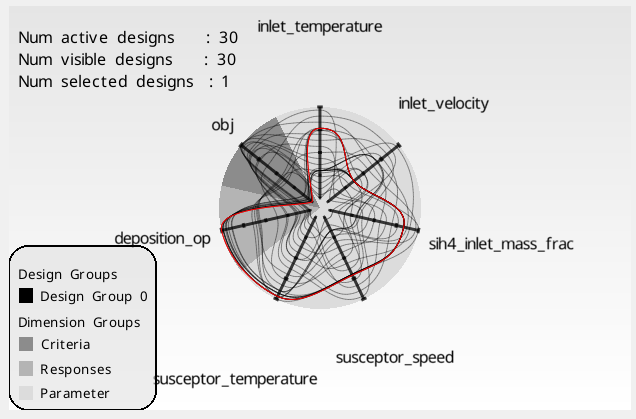
Where the red line here corresponds to the best case (highest deposition).
The spider plot allows for similar observations as the parallel plot, but in a slightly different format:
Evaluating Key CVD Deposition Drivers with optiSLang
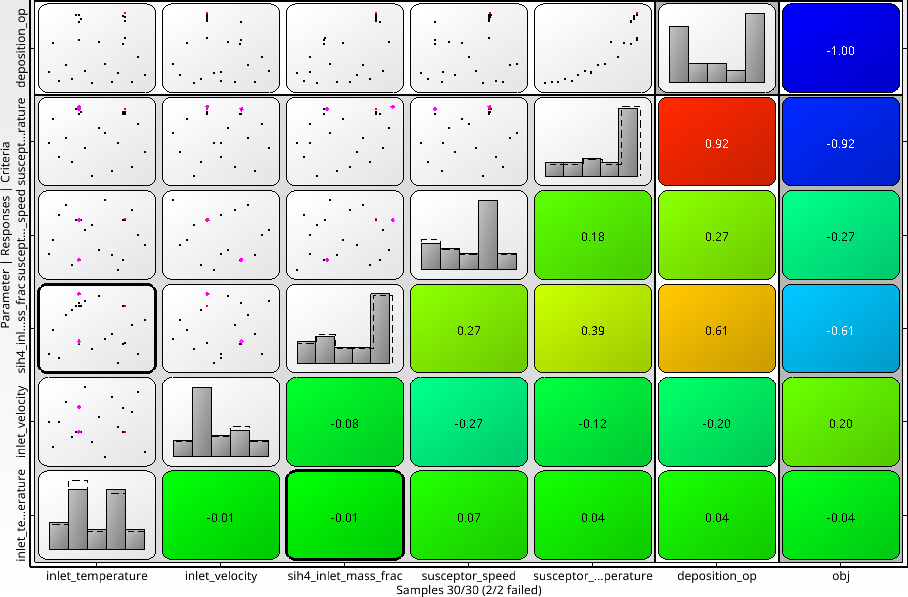
The correlation plot shows that deposition is strongly controlled by susceptor temperature. When examining the relationships between the input variables and deposition rate, susceptor temperature shows the strongest correlation. When examining the relationships between the input variables and the deposition rate, the susceptor temperature shows the strongest correlation. As the susceptor temperature increases, the deposition rate increases dramatically. The reaction SiH₄ → Si + 2H₂ is thermally activated and follows Arrhenius-type kinetics, meaning that relatively small increases in temperature can cause very large increases in the reaction rate. In the dataset, the deposition rate changes by almost two orders of magnitude across the temperature range.
The deposition rate is strongly governed by susceptor temperature. As temperature rises from about 906 K to 1090 K, the rate increases from roughly 0.013 to between 1.6 and 1.8, showing classic Arrhenius behavior and confirming that surface reaction kinetics dominate the process.
SiH₄ inlet mass fraction has a secondary effect: higher concentrations increase deposition, especially when temperature is high. Rotation speed has a moderate influence by improving mass transfer but remains far less significant than temperature. Inlet gas velocity shows a weak, slightly negative effect due to reduced reactant residence time. Inlet temperature has minimal impact because the gas quickly equilibrates to the susceptor temperature.
The dataset also shows clustering near optimal conditions—SiH₄ mass fraction ~0.0018, rotation ~132 rad/s, inlet velocity ~0.094 m/s, and temperature ~1086–1093 K—where deposition stabilizes around 1.7–1.83. Overall, maximizing deposition requires high susceptor temperature, sufficient SiH₄ concentration, and moderate-to-high rotation speed, demonstrating how Ansys Fluent and optiSLang CVD optimization can help identify the process conditions that most strongly influence reactor performance.
Need Help Optimizing Complex CFD Workflows?
SimuTech Group helps engineering teams use Ansys Fluent, optiSLang, and advanced simulation workflows to evaluate complex physics, automate design exploration, and improve process performance. Whether you are modeling reacting flows, thermal behavior, fluid transport, or multiphysics interactions, our experts can help you build a more efficient simulation-driven optimization workflow.

Tiago Lins
Staff Engineer Analyst – Fluids, SimuTech Group
Tiago Lins is a Staff Engineer Analyst at SimuTech Group, where he supports customers with advanced fluid dynamics simulation workflows and practical Ansys software expertise. His work helps engineering teams apply simulation more effectively across complex modeling, analysis, and validation challenges, including CFD, multiphysics workflows, and simulation-driven product development.