 Contact Us
Introduction to Liver-on-a-Chip Simulation
This blog takes the findings of the previous blog, “Fluent Analysis of Wall Shear in a Liver-On-A-Chip Platform”, to inform this Fluent analysis of the liquid filling of the liver-on-a-chip designs. To support the design of the chip, Ansys Fluent modeling was used to investigate the liquid filling of the three shapes of the microfluidic chambers from the previous blog. These shapes were circular, elliptical and hexagonal. The microfluidic chip needs to be filled with the test liquid at a rate that causes as little air entrapment as possible. Entrapped air bubbles would block the flow of liquid and silver nanoparticles over the liver cells in the microfluidic chamber, which would deleteriously affect test results. This Fluent analysis is critical for choosing the optimal microfluidic chamber shape.
Geometry Creation
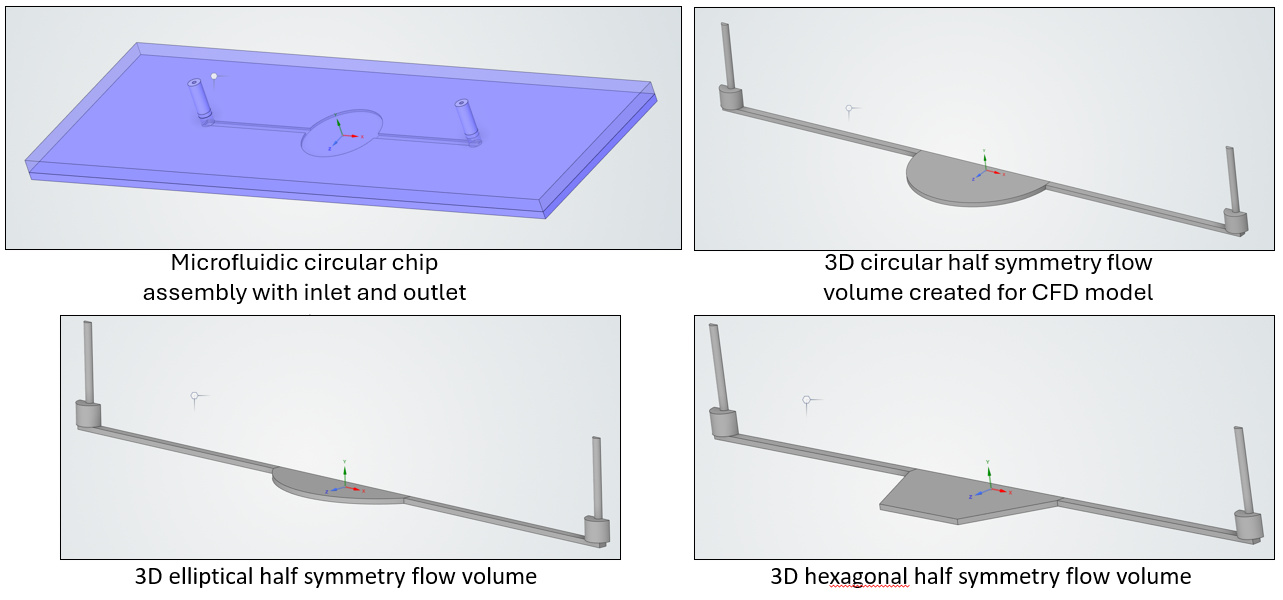
Ansys Discovery was previously used to create the flow volumes of the three microfluidic chamber shapes. For these geometries, one can take advantage of half symmetry.
Meshing
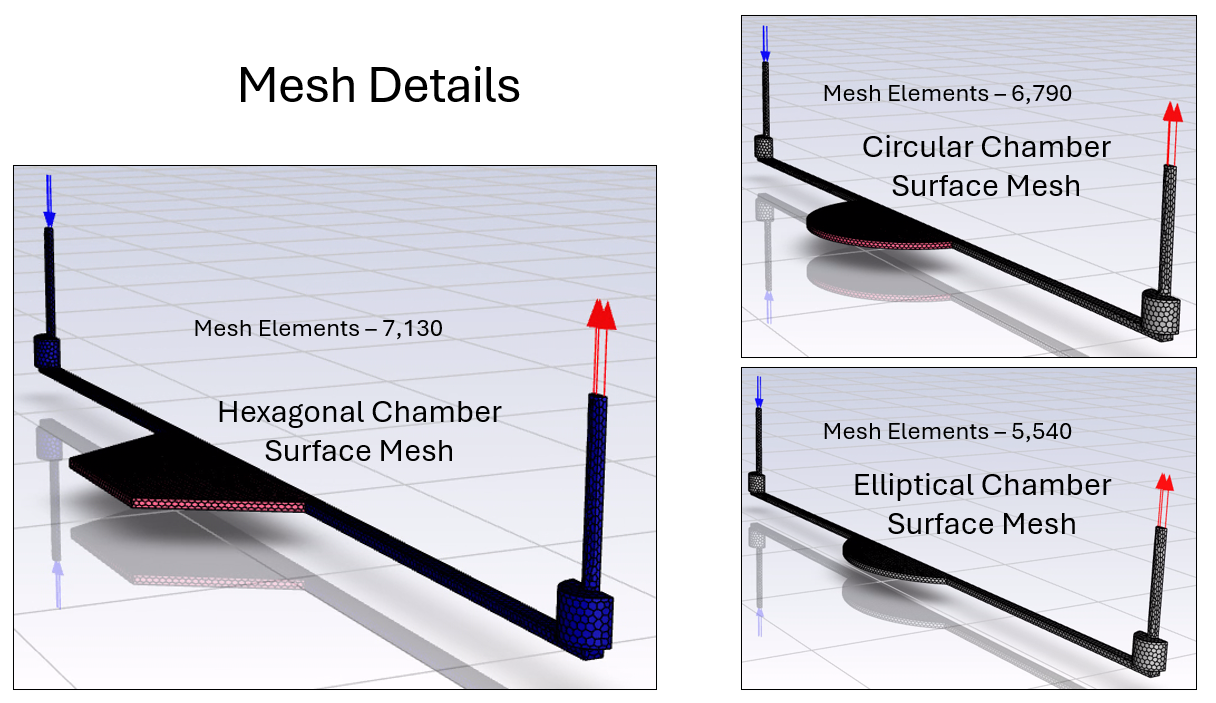
The mesh was created using Fluent meshing. Volume meshes were created in the previous blog to investigate the wall shear, but for this liquid filling analysis it is better to have a very uniform mesh without a boundary layer. The volume mesh is polyhedral elements.
Model Setup
In the previous liver-on-a-chip simulation blog, a liquid named EMEM (Eagle’s Minimum Essential Medium) was used, and that is the liquid that is being modeled in this analysis. Here is the model setup in Ansys Fluent:
- Transient Volume-of-Fluid (VOF)
- Two phase flow, EMEM at 37 C and Air at STP
- EMEM density = 993 kg/m3, Dynamic Viscosity = 0.0007 Pa*s
- Laminar flow
- Smooth walls with surface tension
- Half symmetry
- Inlet volumetric flow of 10 ml/min of EMEM (in Fluent a mass flow inlet was used with a value of 8.28E-08 kg/s)
- Air initially fills the full volume of the models and is displaced by EMEM
- Outlet boundaries were set to atmospheric pressure
Results of Liver-on-a-Chip Simulation
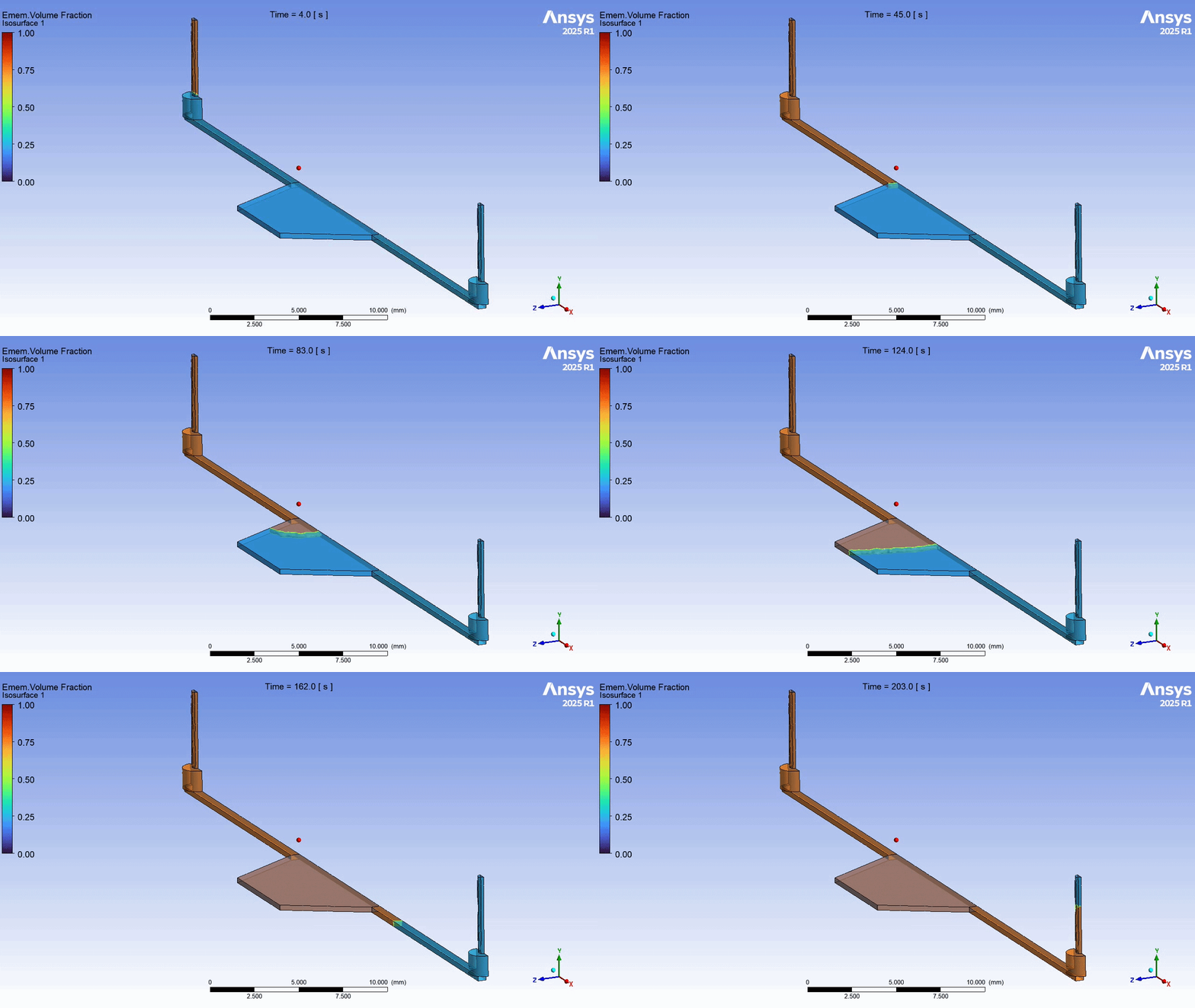
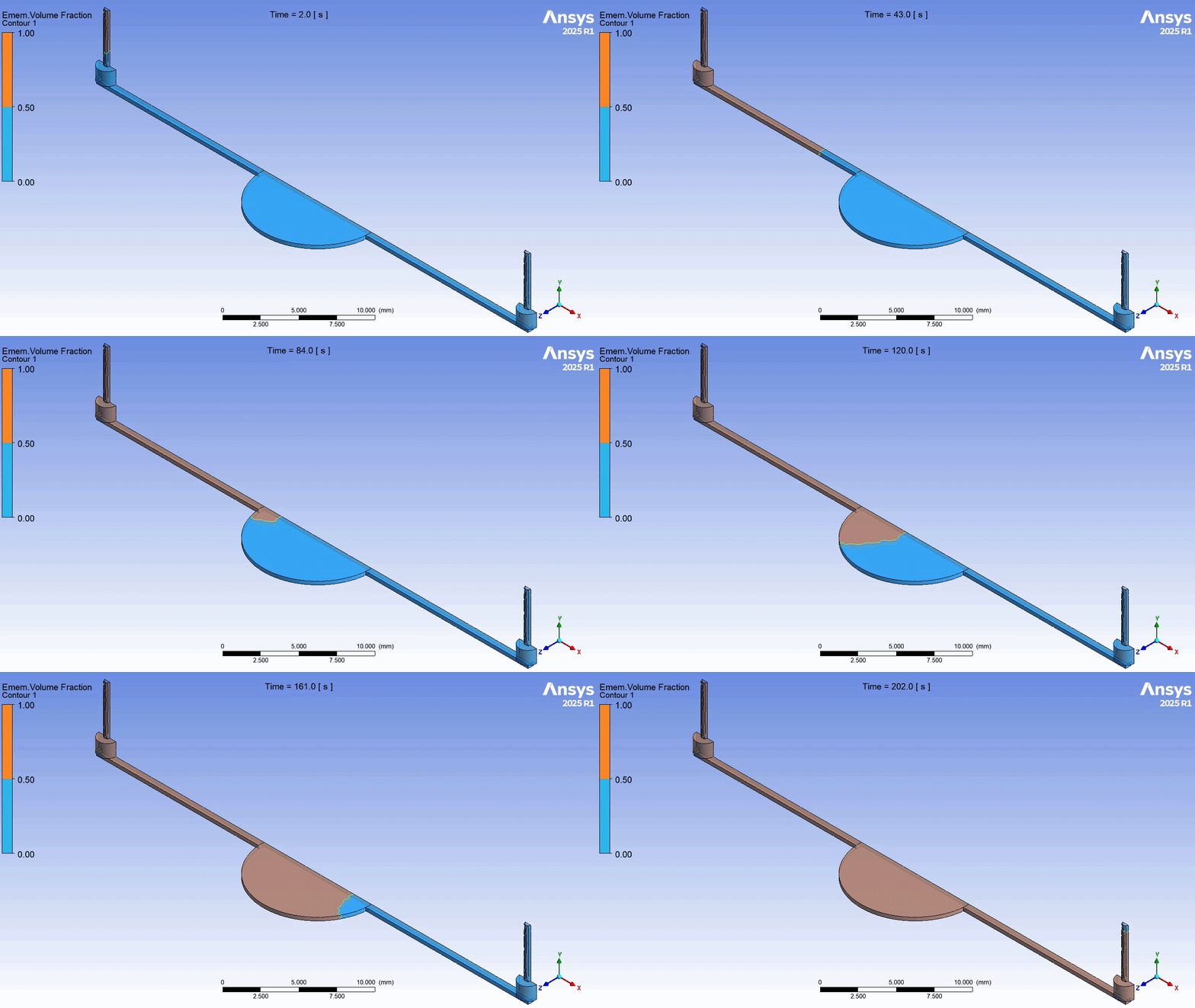
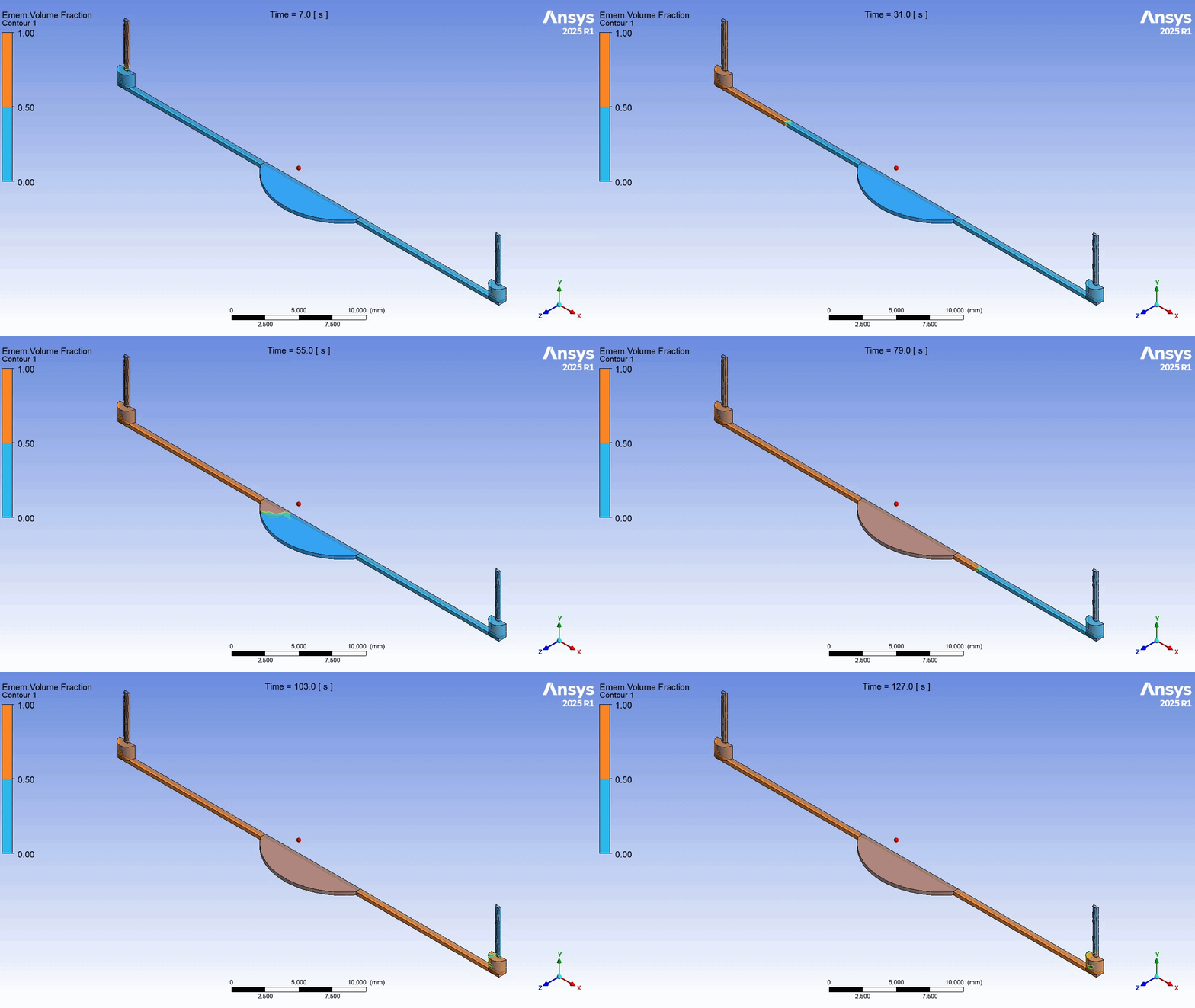
Each of the three microfluidic chamber shapes was run with a volumetric flow rate 10 ml/min. Here are some animations of the liquid filling of the chamber shapes.
Conclusion
All three shapes successfully filled without the formation of entrapped air bubbles. Also, from the previous blog, all three shapes were found to stay below the threshold wall shear at the 10 ml/min volumetric flow rate. All three shapes could be used for a liver-on-a-chip platform. But, the elliptical chamber did have the highest wall shear and the hexagonal shaped chamber does have some sharp corners in the chamber. Based on these findings, the circular chamber will be the chosen shape for further investigation in the next blog.
Optimize Microfluidic Designs with Simulation
From fluid filling and air entrapment to wall shear and particle transport, simulation can help engineers evaluate microfluidic designs before physical testing. SimuTech Group’s engineers use Ansys Fluent and multiphysics simulation to investigate complex fluid behavior and support the development of medical devices and lab-on-a-chip technologies.
Talk to our engineering team about your microfluidics simulation challenges.

Michael Showalter
Lead Engineer – Fluids
Michael Showalter is Lead Engineer – Fluids at SimuTech Group, with over 35 years of experience applying CFD software to the design and analysis of complex products and systems. His work includes extensive biomedical and microfluidic applications, including capillary filling of a microfluidic biochip, angioplasty balloon inflation, thermal balloon catheter heat transfer, and wicking blood samples into a glucose monitor. He has also applied CFD to respiratory airflow studies, including analysis of how mandibular repositioning devices may affect the airway of patients with sleep apnea.