
 Contact Us
Introduction to Axial Flux Motor Design
Axial flux motor design presents unique opportunities for developing compact, high-performance electric machines. Ansys Motor-CAD supports the simulation and evaluation of axial flux motor configurations, allowing engineers to explore different topologies, winding patterns, and electromagnetic performance characteristics. This article examines the available modeling capabilities, visualization options, and simulation outputs.
The following video demonstrates these capabilities in Ansys Motor-CAD, highlighting motor configurations, winding arrangements, and visualization options. It also explores how engineers can evaluate electromagnetic performance through simulation results to support motor development.
Axial Flux Available Topologies
Ansys Motor-CAD supports 3 different axial flux topologies, including (Double Rotor – Single Stator), (Single Rotor- Single Stator) and (Single Rotor- Double Stator)
Double Rotor – Single Stator
Single Rotor – Single Stator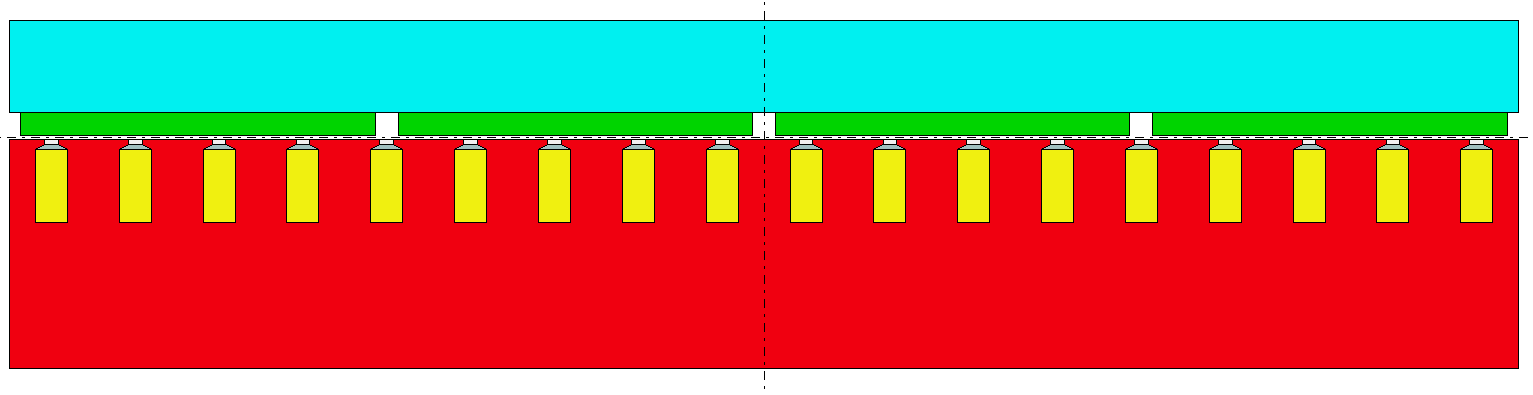
Single Rotor – Double Stator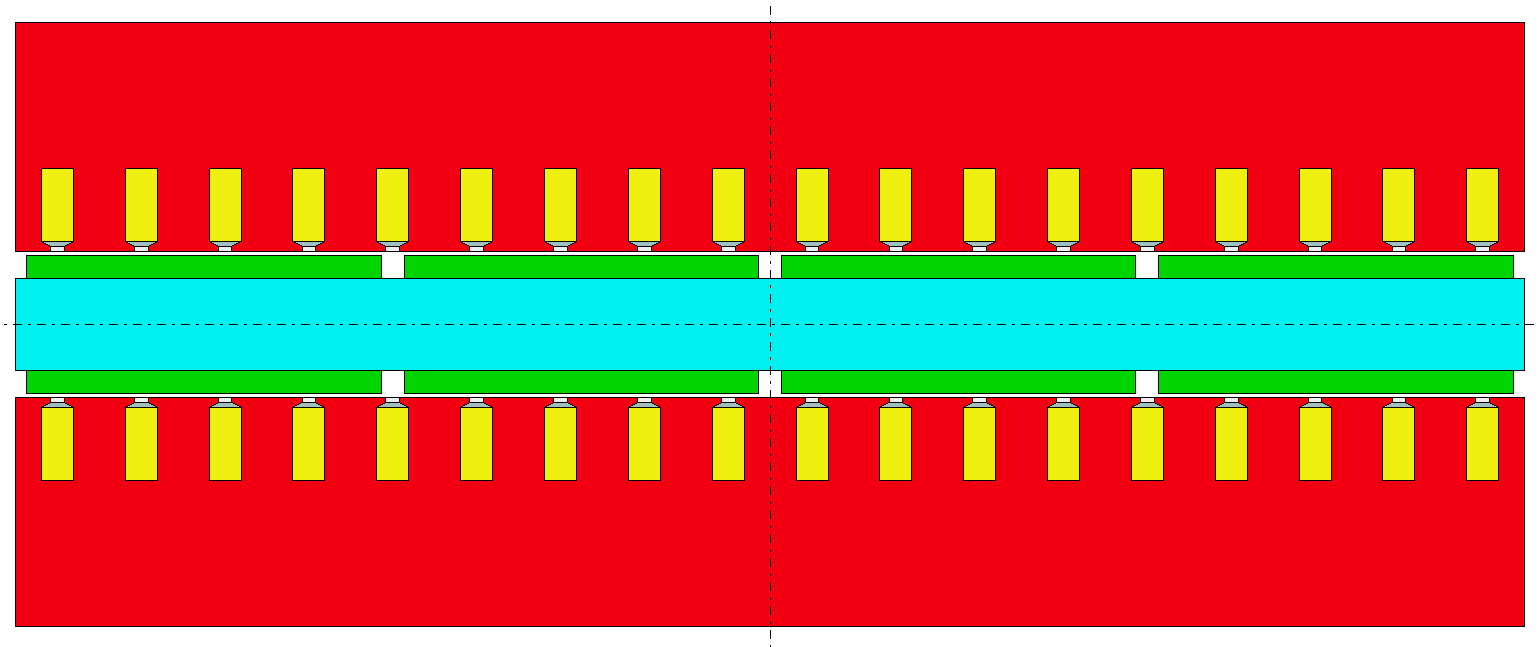
Axial Flux Motor Visualization in Ansys Motor-CAD
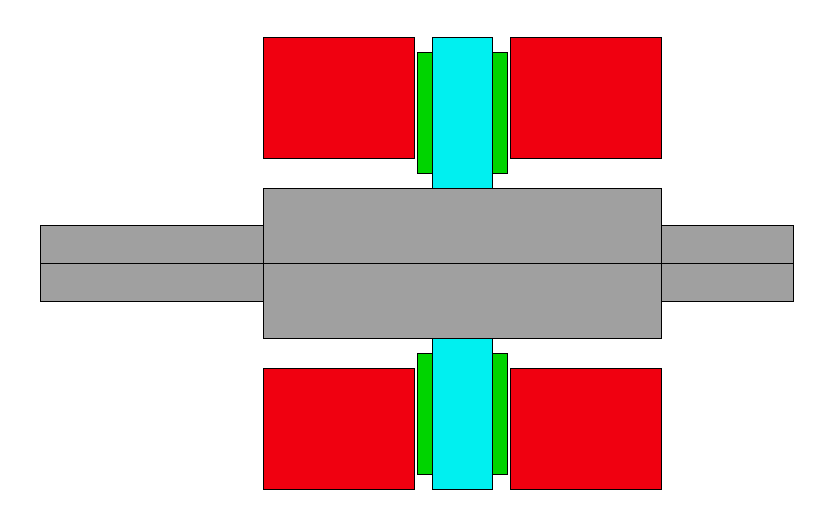
Ansys Motor-CAD Axial is a powerful new feature that enables engineers to design and optimize Axial flux electric motors with ease. Engineers will have full control and will be capable of viewing the machine at different angles.
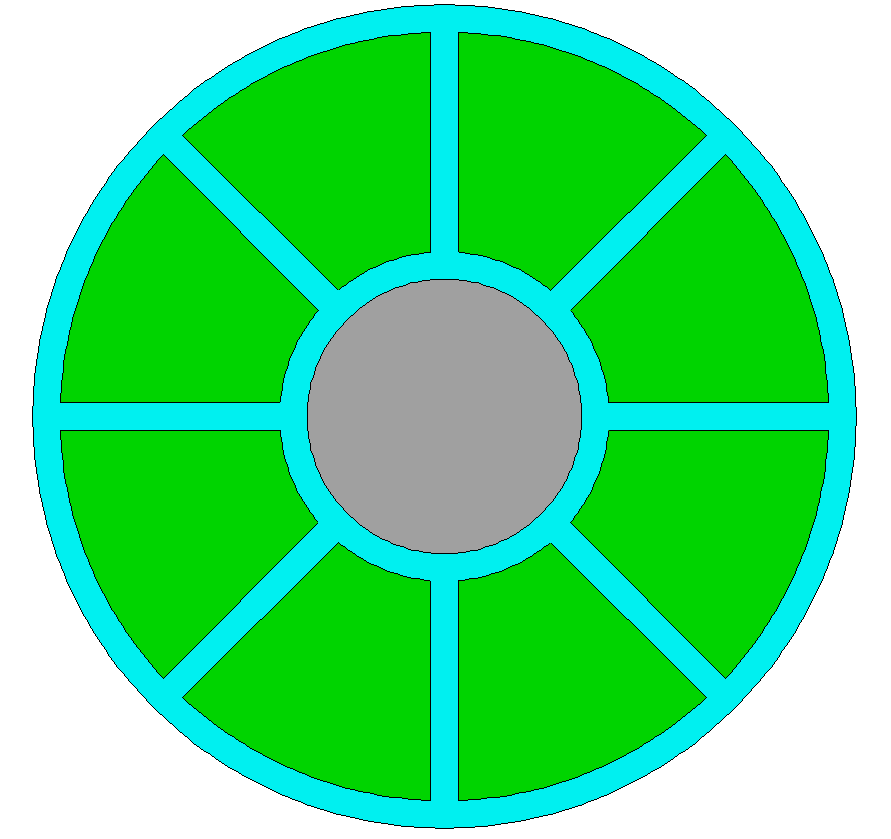
Axial view is also possible, for each of the available topologies.
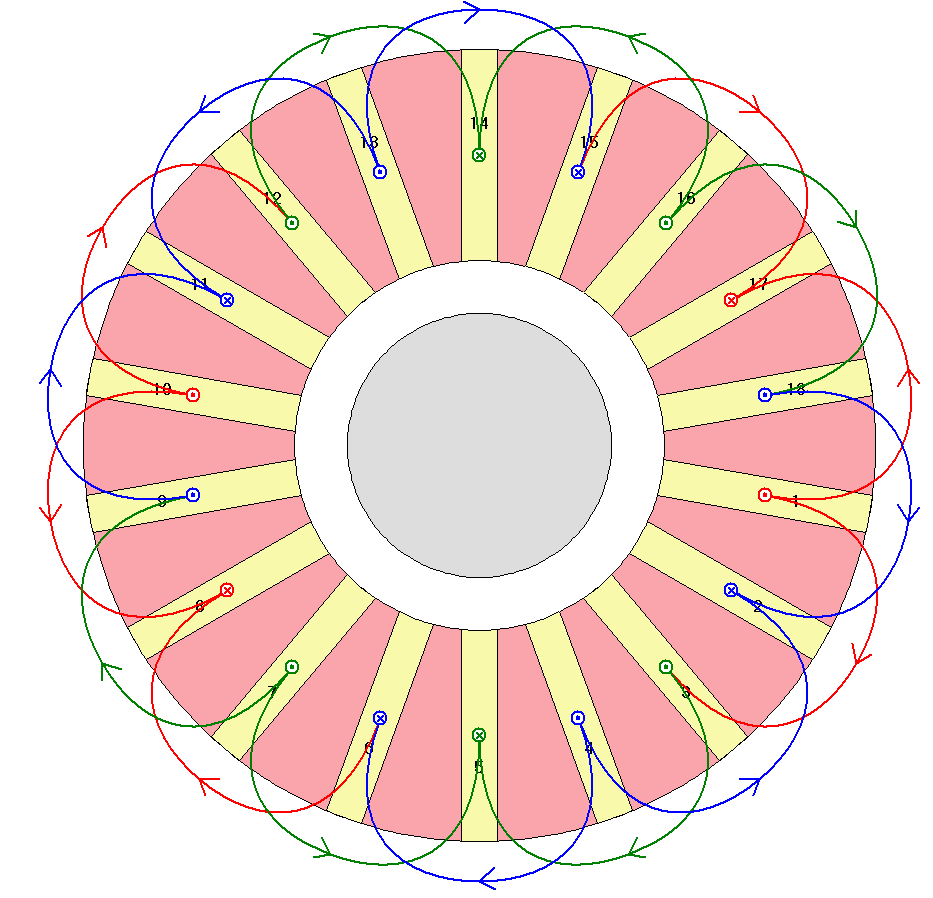
Automatic and Custom Winding Patterns
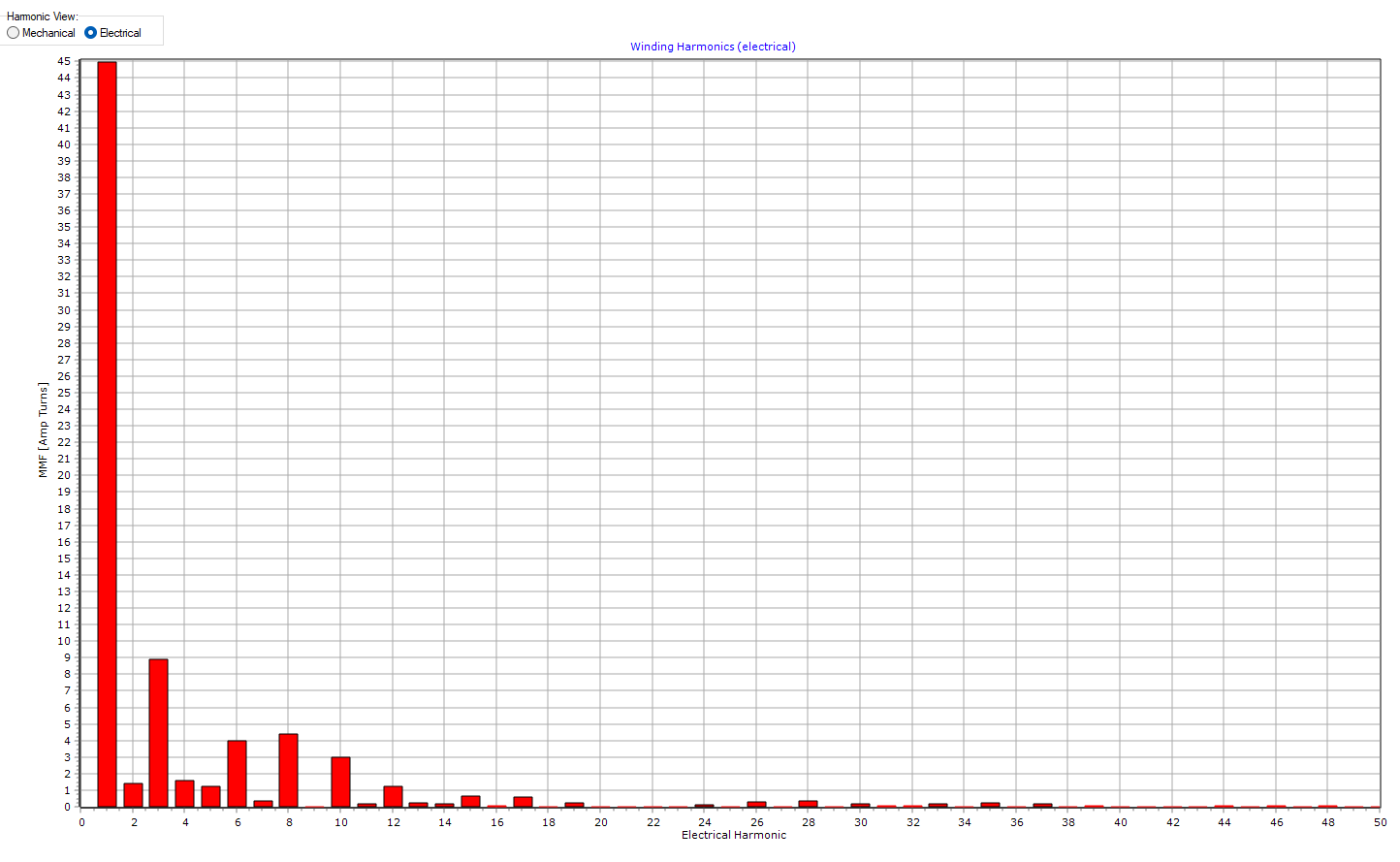
Winding harmonics and winding factors can also be displayed:
Axial Flux Motor Design Output Data and Graphs
Flux density, torque, voltages, inductance and more:
Flux density as a function for the rotor position
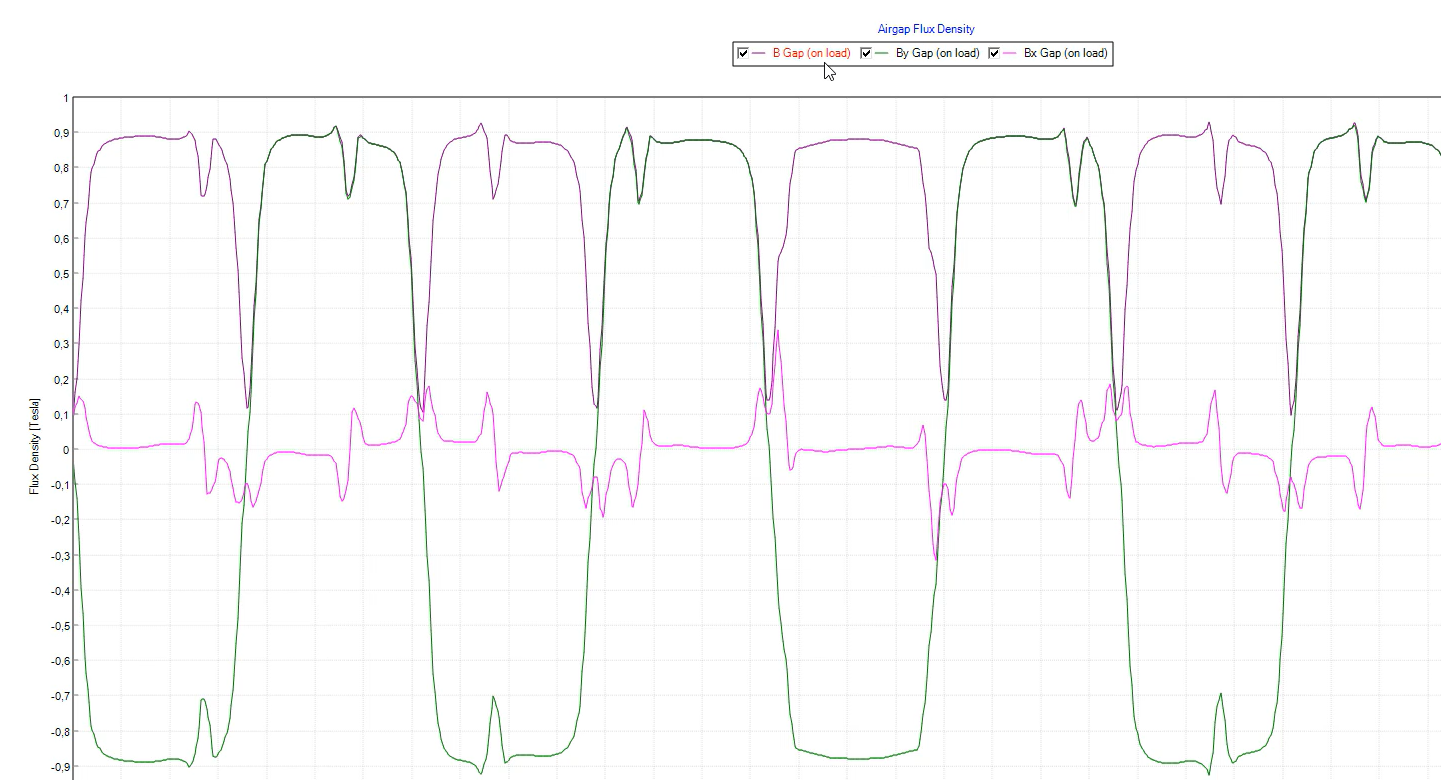
Linear FEA equivalent model:
Torque as a function of the rotor position: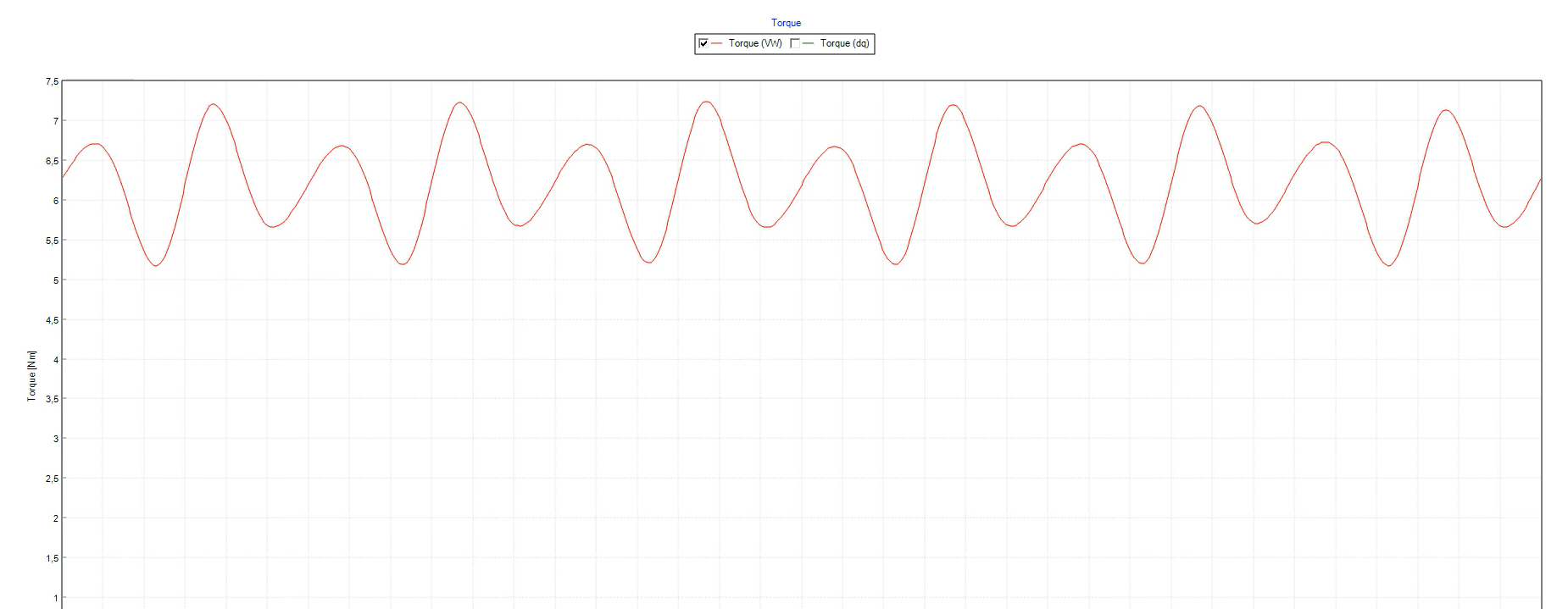
Conclusion
Ansys Motor-CAD provides engineering teams with tools to evaluate different axial flux motor configurations, explore winding arrangements, and analyze electromagnetic performance. Engineers can investigate how changes in motor geometry, winding layouts, and operating conditions influence torque production, efficiency, and losses. By comparing design variations and reviewing simulation results, teams can identify performance tradeoffs, evaluate potential limitations, and refine motor configurations before committing to physical prototypes.
These capabilities support more informed decisions throughout the electric motor development process, helping engineers balance electromagnetic performance with design requirements and reduce reliance on costly, time-consuming physical testing.
Get more out of your electric motor designs. Explore Ansys electromagnetic simulation software and discover how the experts at SimuTech Group can support your electric motor design projects.